 Image 1 of 1
There Are More Beautiful Things Than Beyonce
The only thing more beautiful than Beyoncé is God, and God is a Black woman sipping rosé and drawing a lavender bath, texting her mom, belly-laughing in the therapist’s office, feeling unloved, being on display, daring to survive. Morgan Parker stands at the intersections of vulnerability and performance, of desire and disgust, of tragedy and excellence. Unrelentingly feminist, tender, ruthless, and sequined, these poems are an altar to the complexities of Black American womanhood in an age of non-indictments and deja vu, and a time of wars over bodies and power. These poems celebrate and mourn. They are a chorus chanting: You’re gonna give us the love we need.
The only thing more beautiful than Beyoncé is God, and God is a Black woman sipping rosé and drawing a lavender bath, texting her mom, belly-laughing in the therapist’s office, feeling unloved, being on display, daring to survive. Morgan Parker stands at the intersections of vulnerability and performance, of desire and disgust, of tragedy and excellence. Unrelentingly feminist, tender, ruthless, and sequined, these poems are an altar to the complexities of Black American womanhood in an age of non-indictments and deja vu, and a time of wars over bodies and power. These poems celebrate and mourn. They are a chorus chanting: You’re gonna give us the love we need.
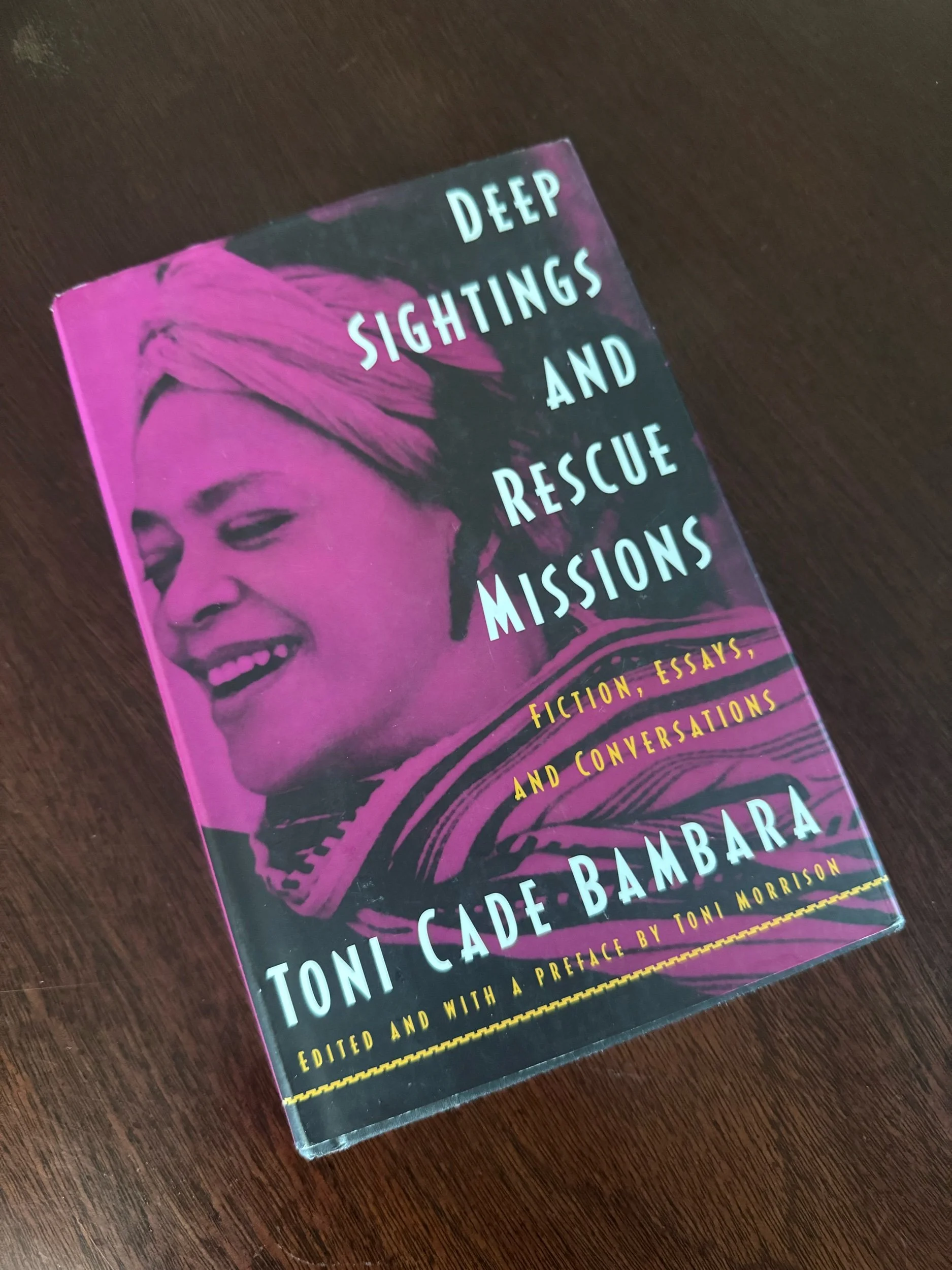
Edited and with a preface by Toni Morrison, this posthumous collection of short stories, essays, and interviews offers lasting evidence of Bambara's passion, lyricism, and tough critical intelligence. Included are tales of mothers and daughters, rebels and seeresses, community activists and aging gangbangers, as well as essays on film and literature, politics and race, and on the difficulties and necessities of forging an identity as an artist, activist, and black woman. It is a treasure trove not only for those familiar with Bambara's work, but for a new generation of readers who will recognize her contribution to contemporary American letters.
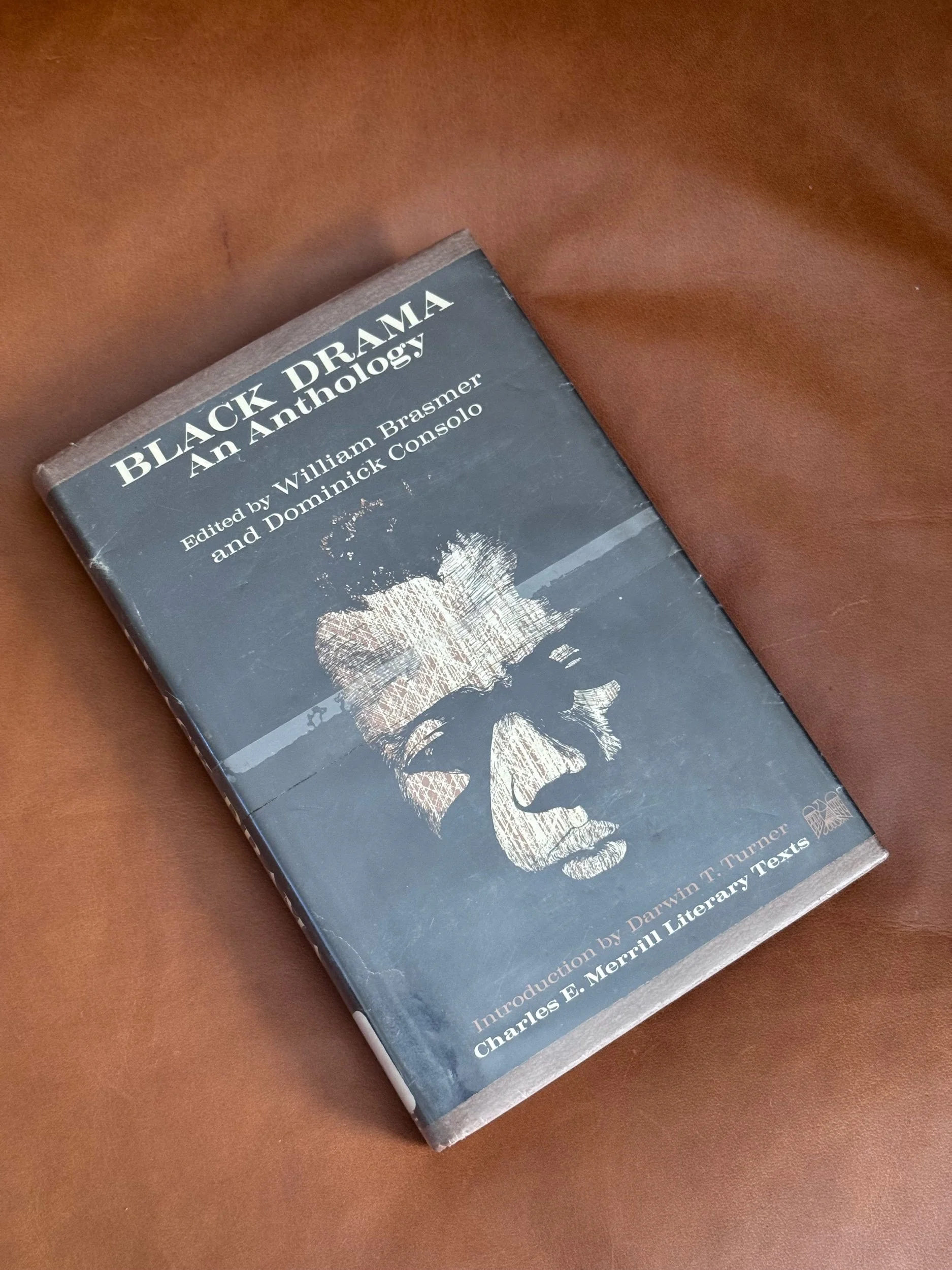
Black dramatists convey their feelings of hope, anger, and despair in this collection of twenty-three contemporary plays.
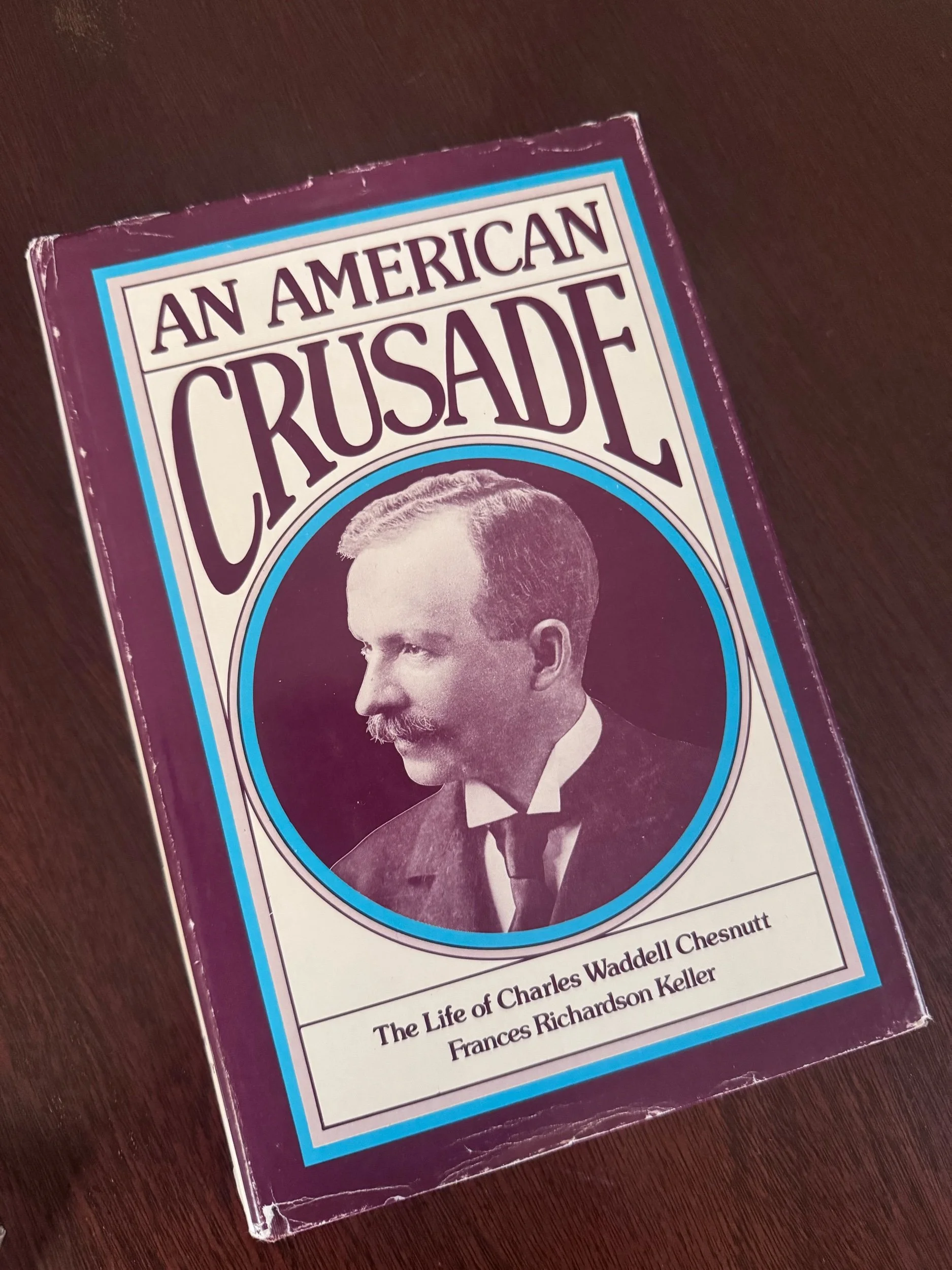
The experiences, ideas, efforts, and accomplishments of Charles W. Chesnutt (1858-1932).
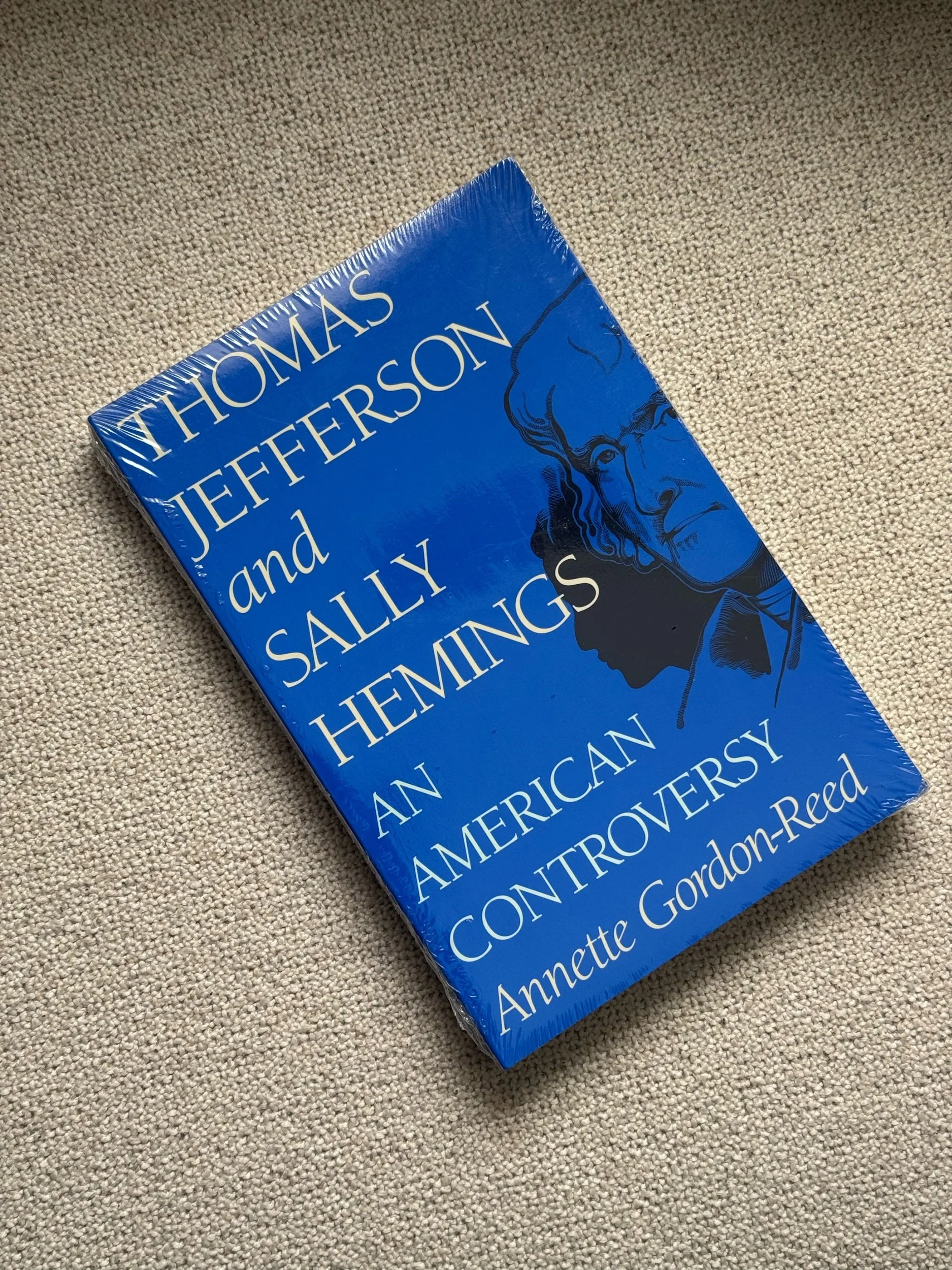
New Condition. When Annette Gordon-Reed's groundbreaking study was first published, rumors of Thomas Jefferson's sexual involvement with his slave Sally Hemings had circulated for two centuries. Among all aspects of Jefferson's renowned life, it was perhaps the most hotly contested topic. The publication of Thomas Jefferson and Sally Hemings intensified this debate by identifying glaring inconsistencies in many noted scholars' evaluations of the existing evidence. In this study, Gordon-Reed assembles a fascinating and convincing argument: not that the alleged thirty-eight-year liaison necessarily took place but rather that the evidence for its taking place has been denied a fair hearing.
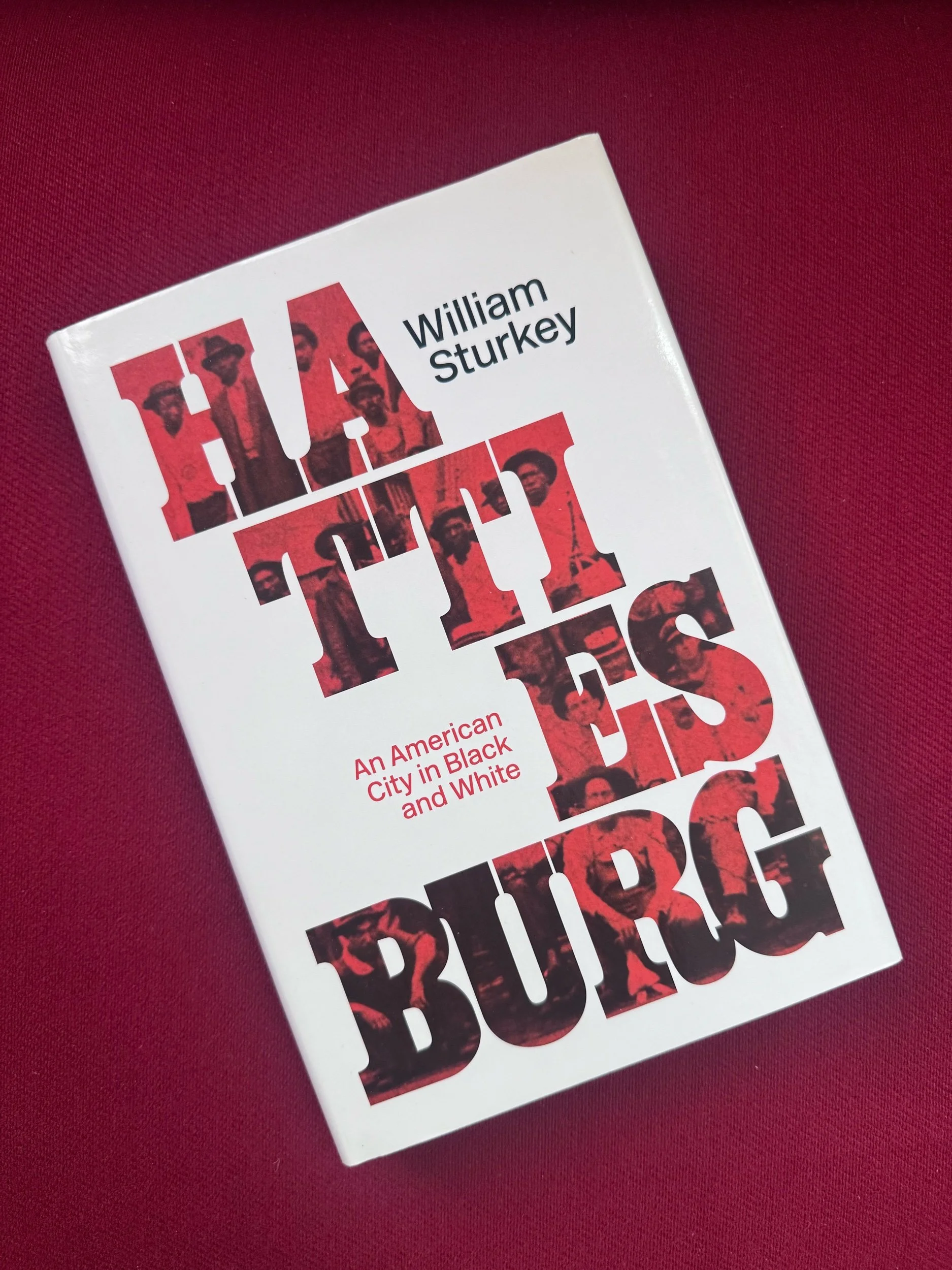
A rich, multigenerational saga of race and family in Hattiesburg, Mississippi, that tells the story of how Jim Crow was built, how it changed, and how the most powerful social movement in American history came together to tear it down.
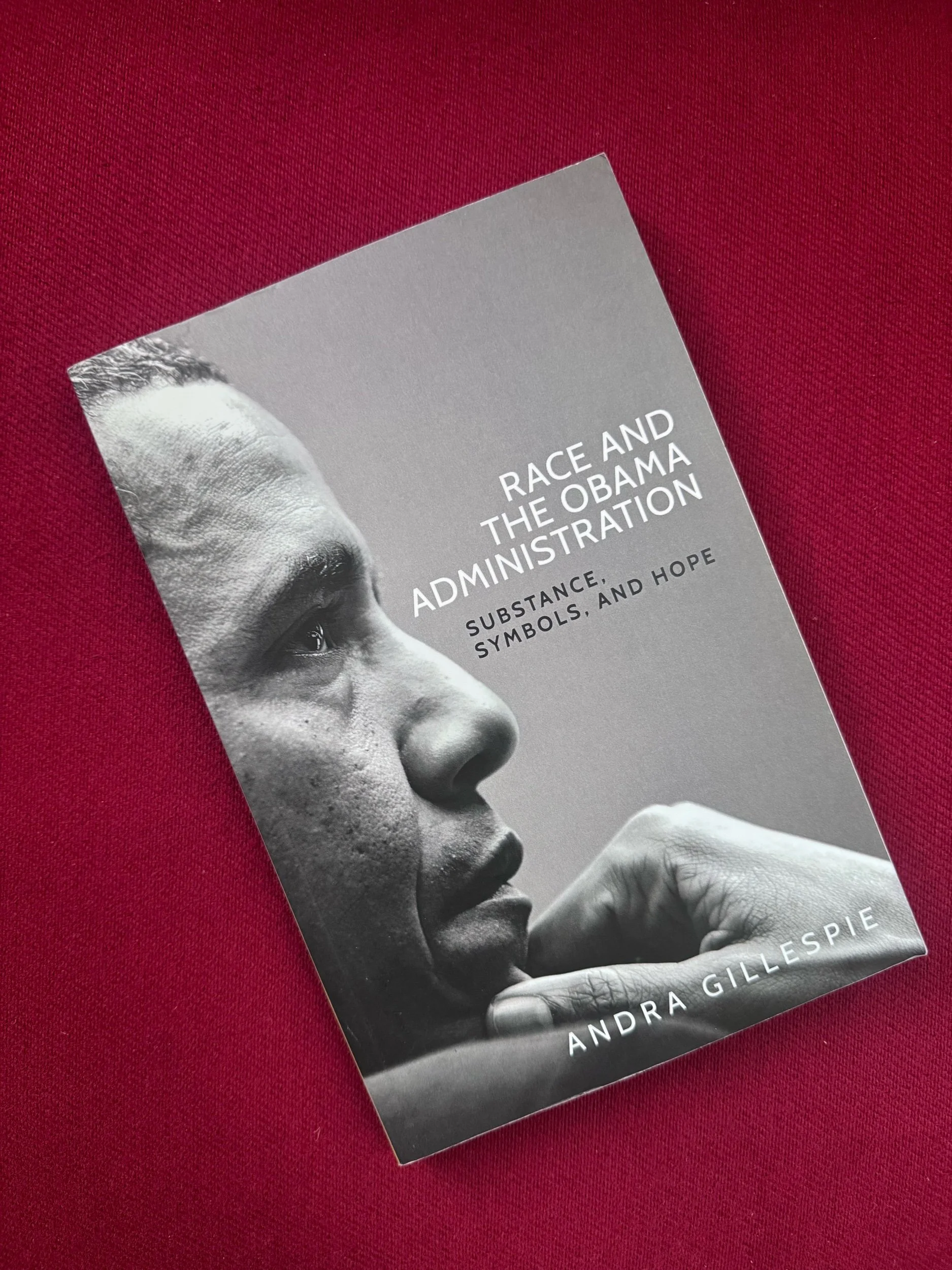
The election of Barack Obama was a milestone in US history, with tremendous symbolic importance for the black community. But was this symbolism backed up by substance? Did ordinary black people really benefit under the first black president? This is the question that Andra Gillespie sets out to answer in Race and the Obama Administration.
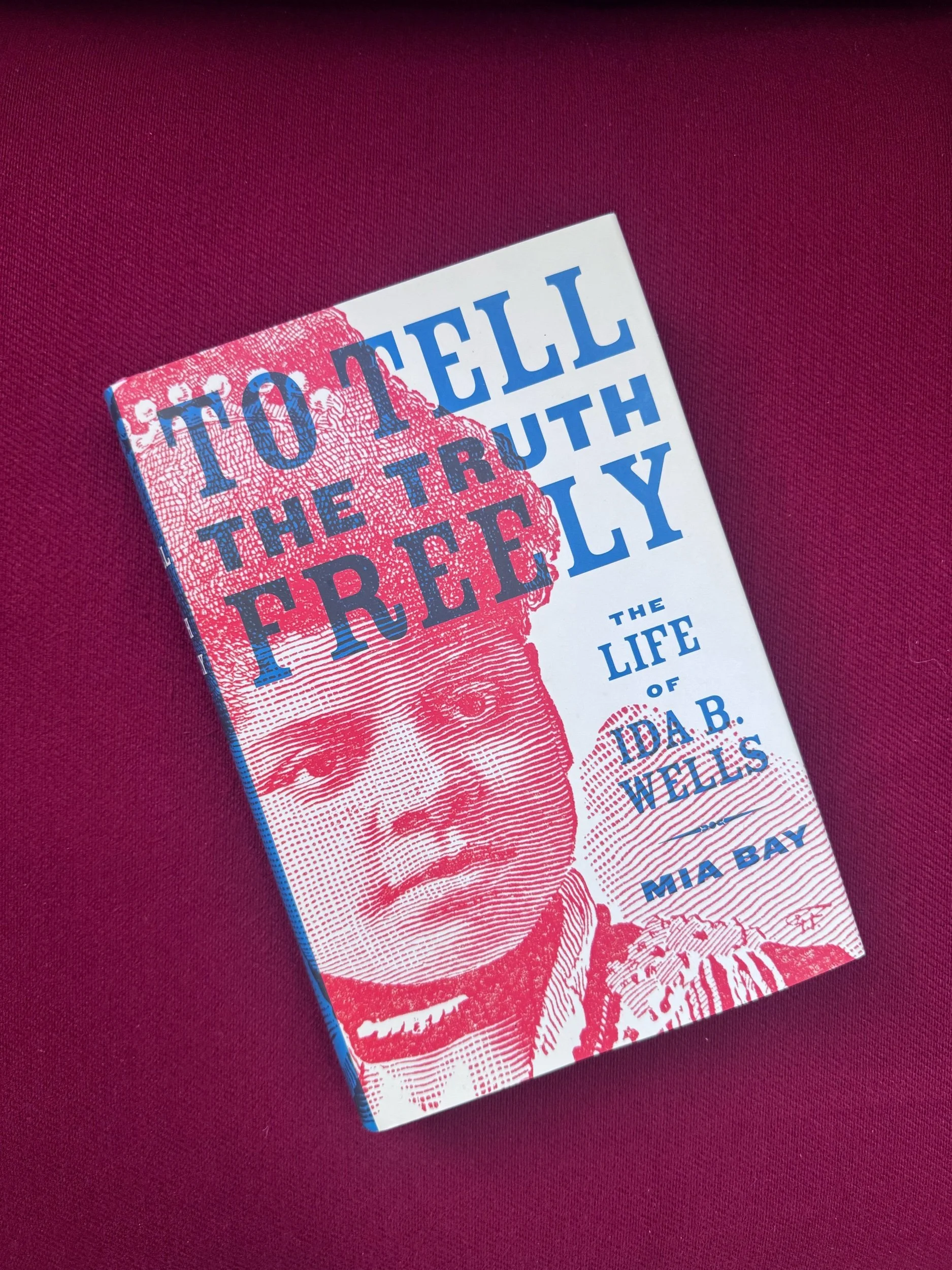
In the richly illustrated To Tell the Truth Freely, the historian Mia Bay vividly captures Ida B. Wells's legacy and life, from her childhood in Mississippi to her early career in late-nineteenth-century Memphis and her later life in Progressive-era Chicago.
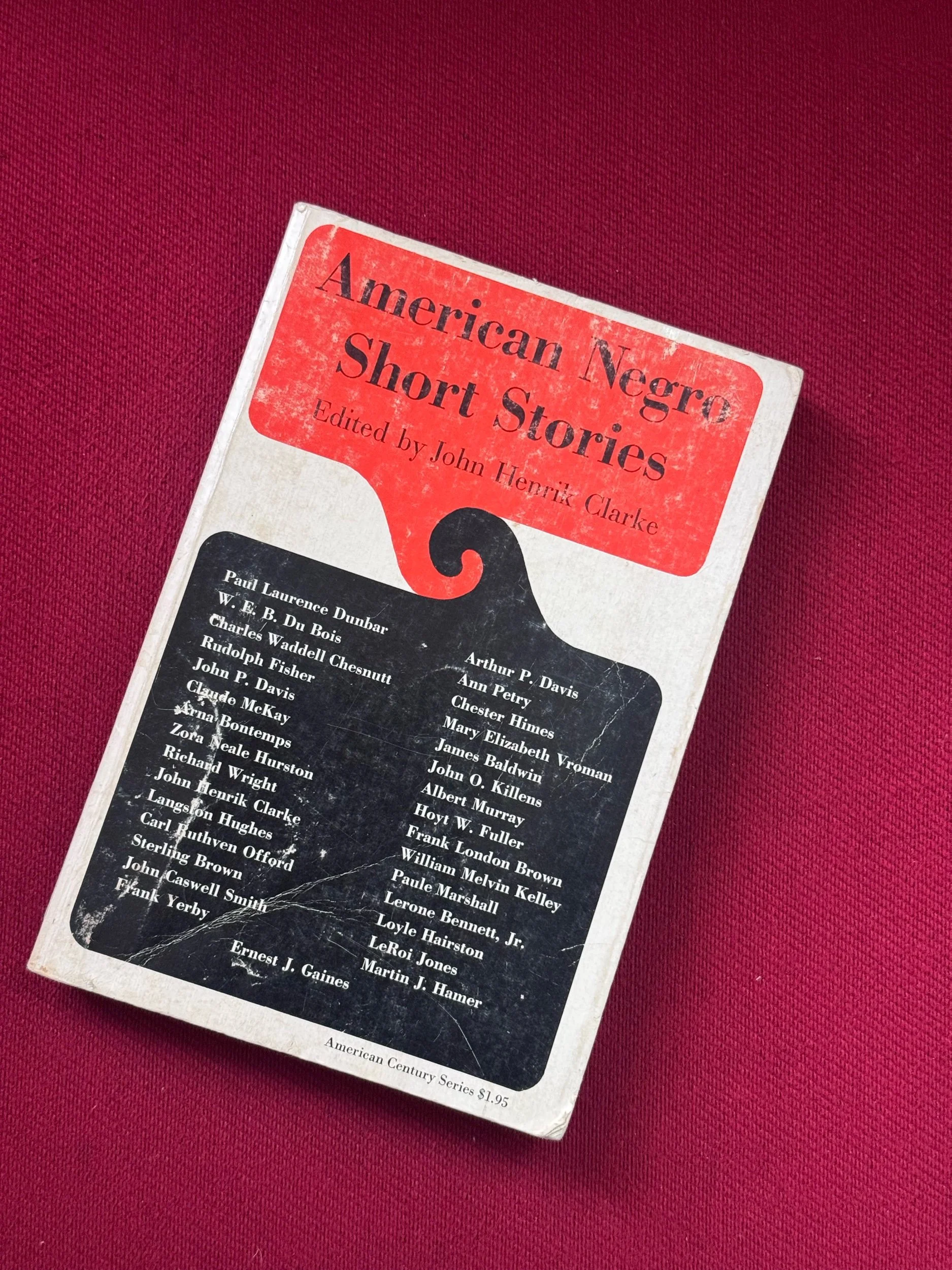
Thirty-one stories by Paul Laurence Dunbar, W. E. B. Du Bois, Charles Chesnutt, Claude McKay, Arna Bontemps, Richard Wright, Langston Hughes, Sterling Brown, Frank Yerby, James Baldwin, LeRoi Jones, John Killens, and others.
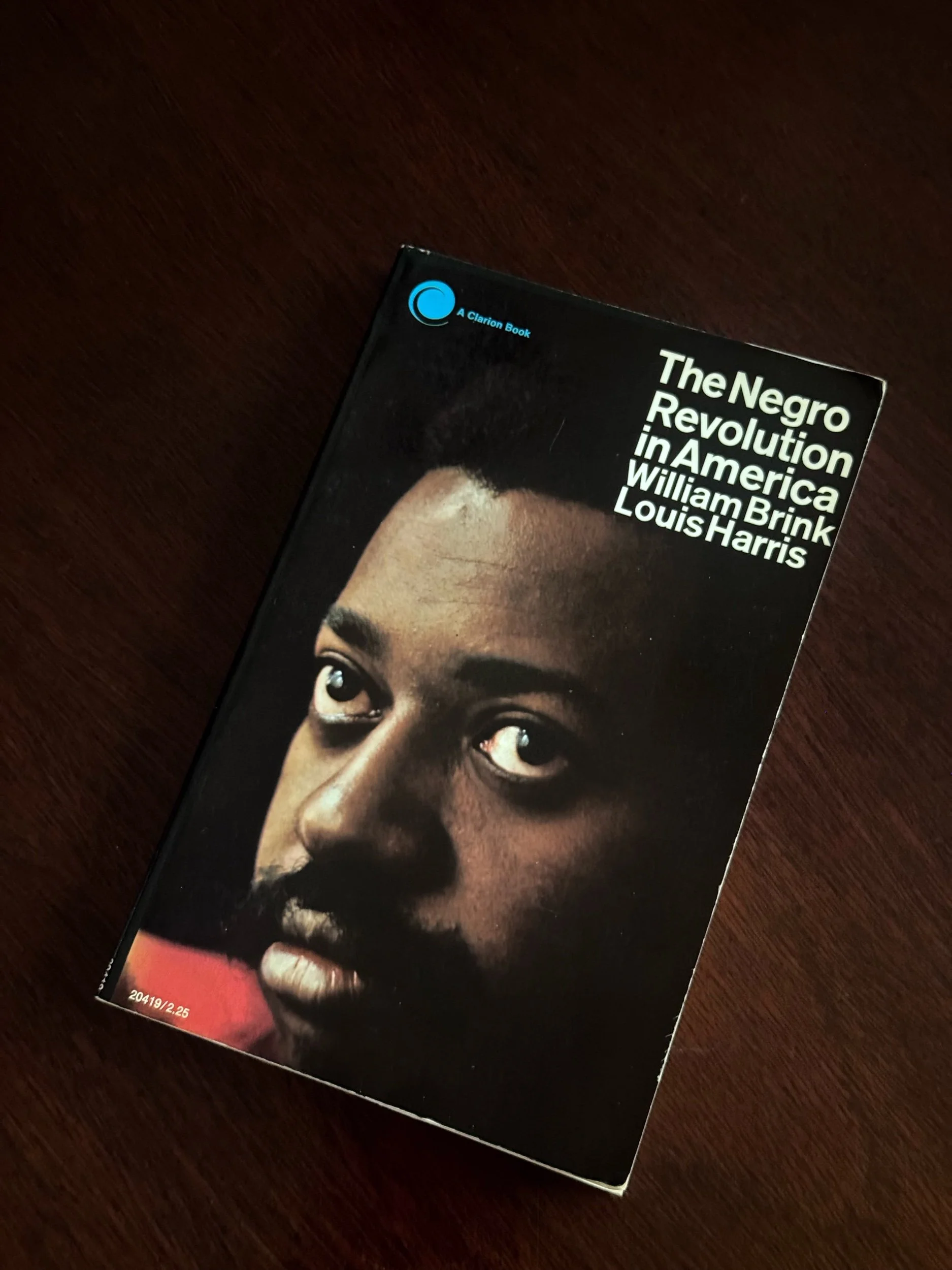
What Negroes want, why and how they are fighting, whom they support, what whites think of them and their demands. Based on the nationwide survey by Newsweek magazine.
A visually dynamic celebration of Black bookstores presented to you by the owner of Good Books, Katie Mitchell, with a foreword by Nikki Giovanni.