 Image 1 of 1
A powerful polemic on the state of Black America that dismisses the idea of a post-racial society.
A powerful polemic on the state of Black America that dismisses the idea of a post-racial society.
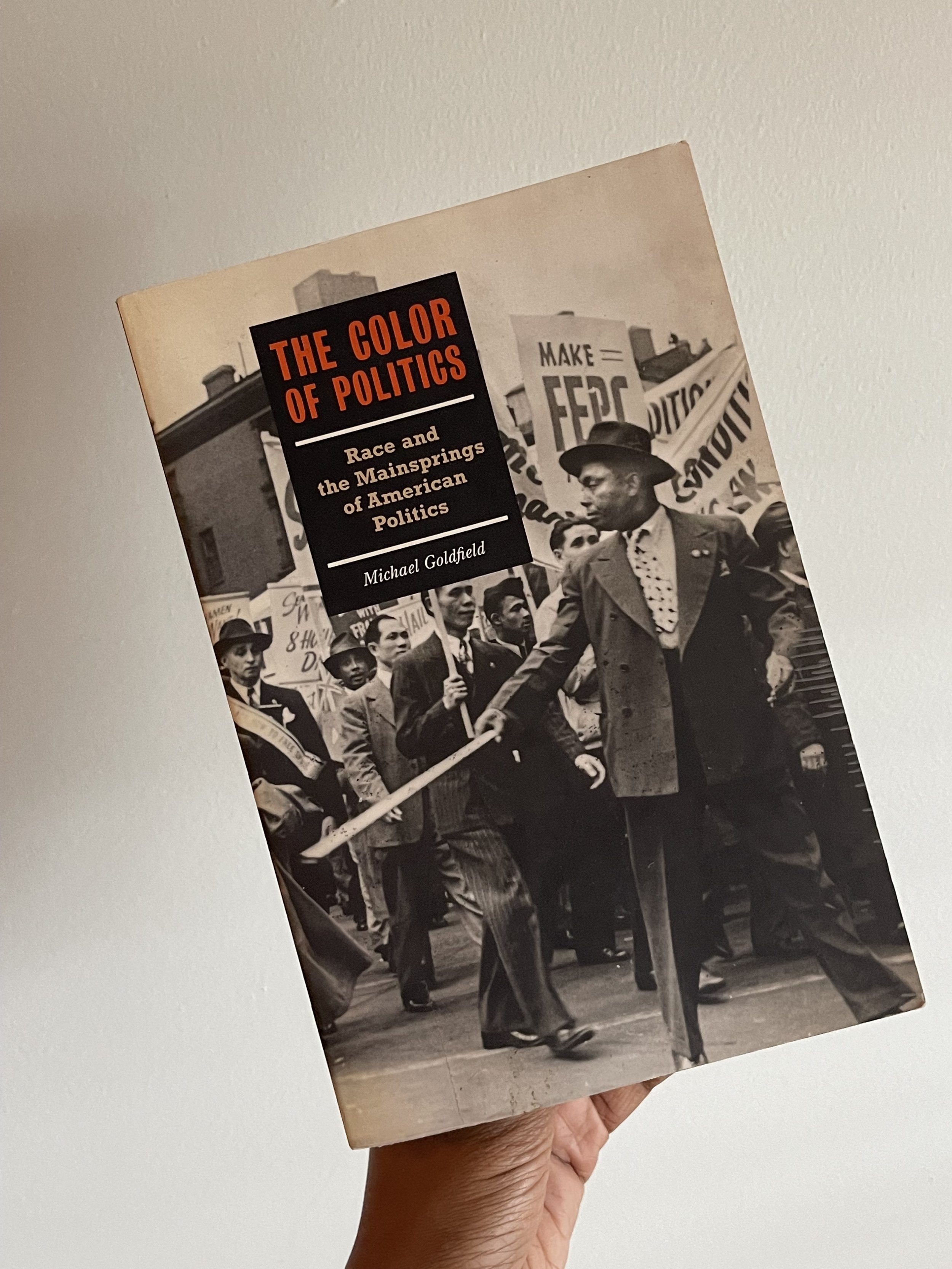
There is no better way to understand the roots of racial oppression in America and the periodic mass struggles against it than to read Michael Goldfield's classic The Color of Politics: Race and the Mainsprings of American Politics.
How has race determined the course of American history? From the Revolution to the New Deal, from the Civil War to World War II, race has been at the center of virtually every national turning point
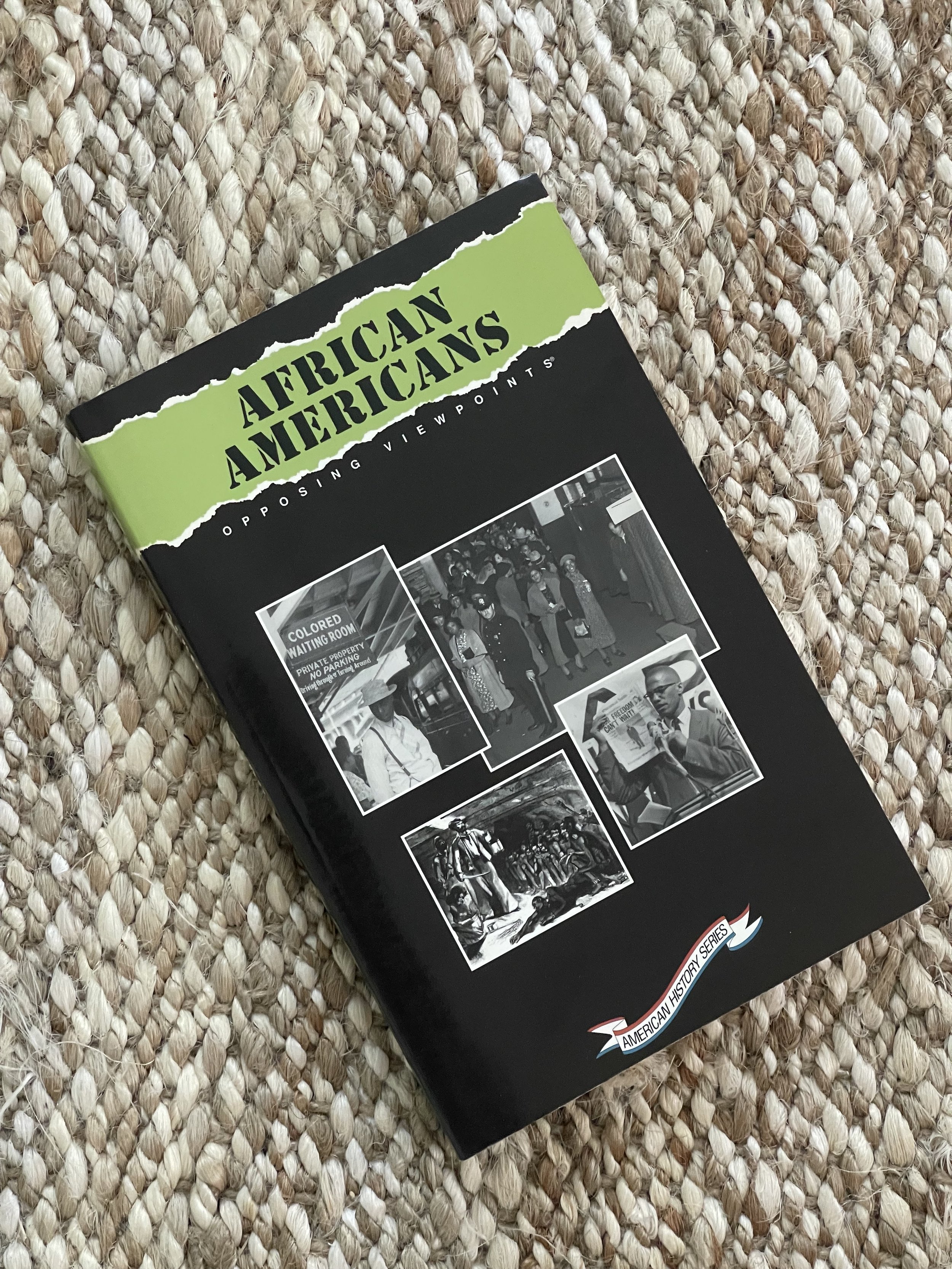
Covers slavery, abolition, reconstruction, the Harlem Renaissance, the Civil Rights movement, and the continuing challenges of racism
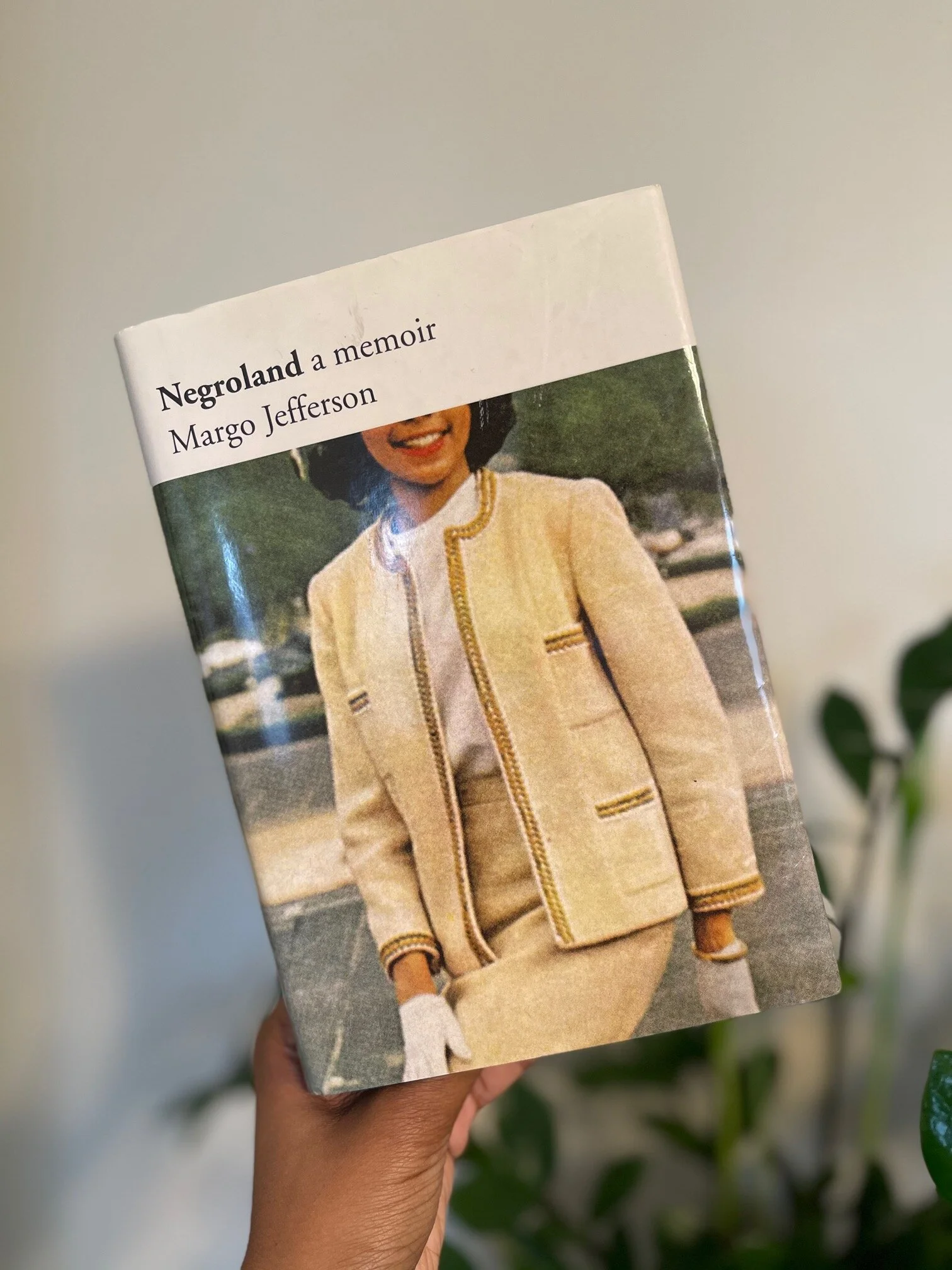
An extraordinary look at privilege, discrimination, and the fallacy of post-racial America by Pulitzer Prize–winning cultural critic Margo Jefferson.
Invisible No More is a timely examination of how Black women, Indigenous women, and women of color experience racial profiling, police brutality, and immigration enforcement.
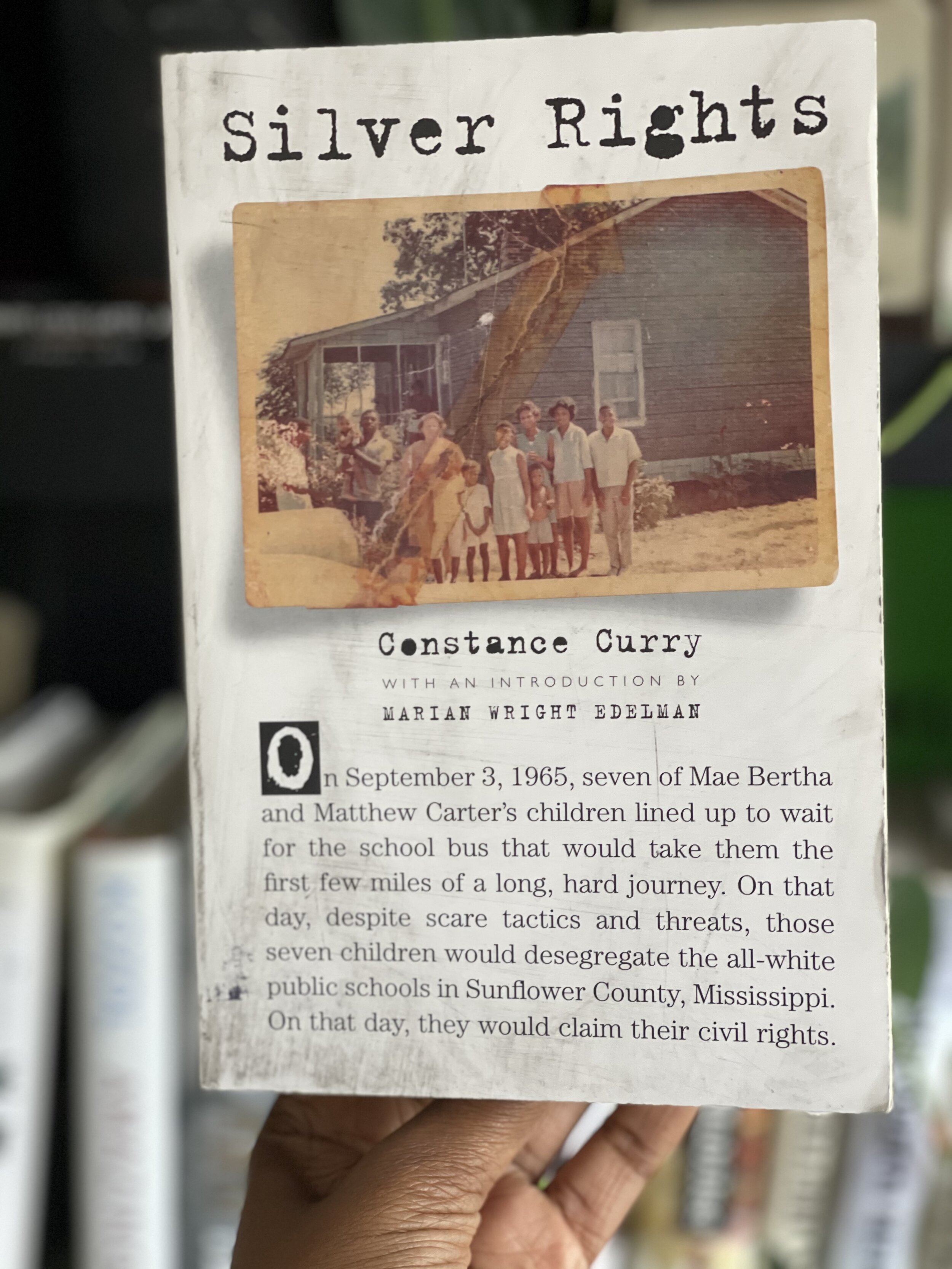
In 1965, the Carters, an African American sharecropping family with thirteen children, took public officials at their word when they were offered “Freedom of Choice” to send their children to any school they wished, and so began their unforeseen struggle to desegregate the schools of Sunflower County, Mississippi. In this true account from the front lines of the civil rights movement, four generations of the Carter family speak to author and civil rights activist Constance Curry, who lived this story alongside the family—a story of clear-eyed determination, extraordinary grit, and sweet triumph.
In So You Want to Talk About Race, Ijeoma Oluo guides readers of all races through subjects ranging from intersectionality and affirmative action to "model minorities" in an attempt to make the seemingly impossible possible: honest conversations about race and racism, and how they infect almost every aspect of American life.
A powerful polemic on the state of Black America that dismisses the idea of a post-racial society.
The Wretched of the Earth is a brilliant analysis of the psychology of the colonized and their path to liberation. Bearing singular insight into the rage and frustration of colonized peoples, and the role of violence in effecting historical change, the book incisively attacks the twin perils of postindependence colonial politics: the disenfranchisement of the masses by the elites on the one hand, and intertribal and interfaith animosities on the other. Fanon’s analysis, a veritable handbook of social reorganization for leaders of emerging nations, has been reflected all too clearly in the corruption and violence that has plagued present-day Africa. The Wretched of the Earth has had a major impact on civil rights, anti-colonialism, and black consciousness movements around the world.
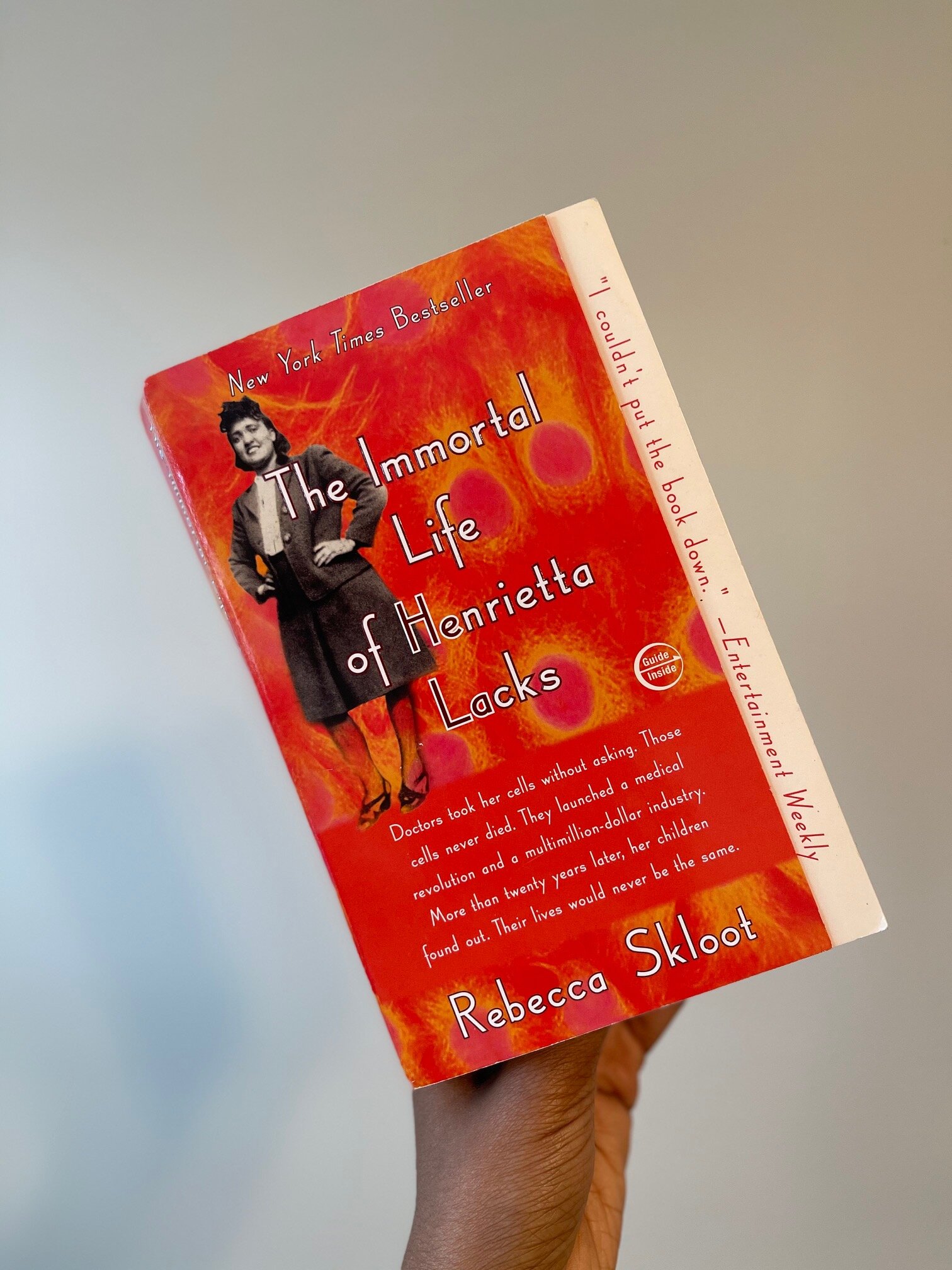
Her name was Henrietta Lacks, but scientists know her as HeLa. She was a poor Southern tobacco farmer who worked the same land as her slave ancestors, yet her cells—taken without her knowledge—became one of the most important tools in medicine: The first “immortal” human cells grown in culture, which are still alive today, though she has been dead for more than sixty years. HeLa cells were vital for developing the polio vaccine; uncovered secrets of cancer, viruses, and the atom bomb’s effects; helped lead to important advances like in vitro fertilization, cloning, and gene mapping; and have been bought and sold by the billions.




A collection of Jackson's letters from prison, Soledad Brother is an outspoken condemnation of the racism of white America and a powerful appraisal of the prison system that failed to break his spirit but eventually took his life.