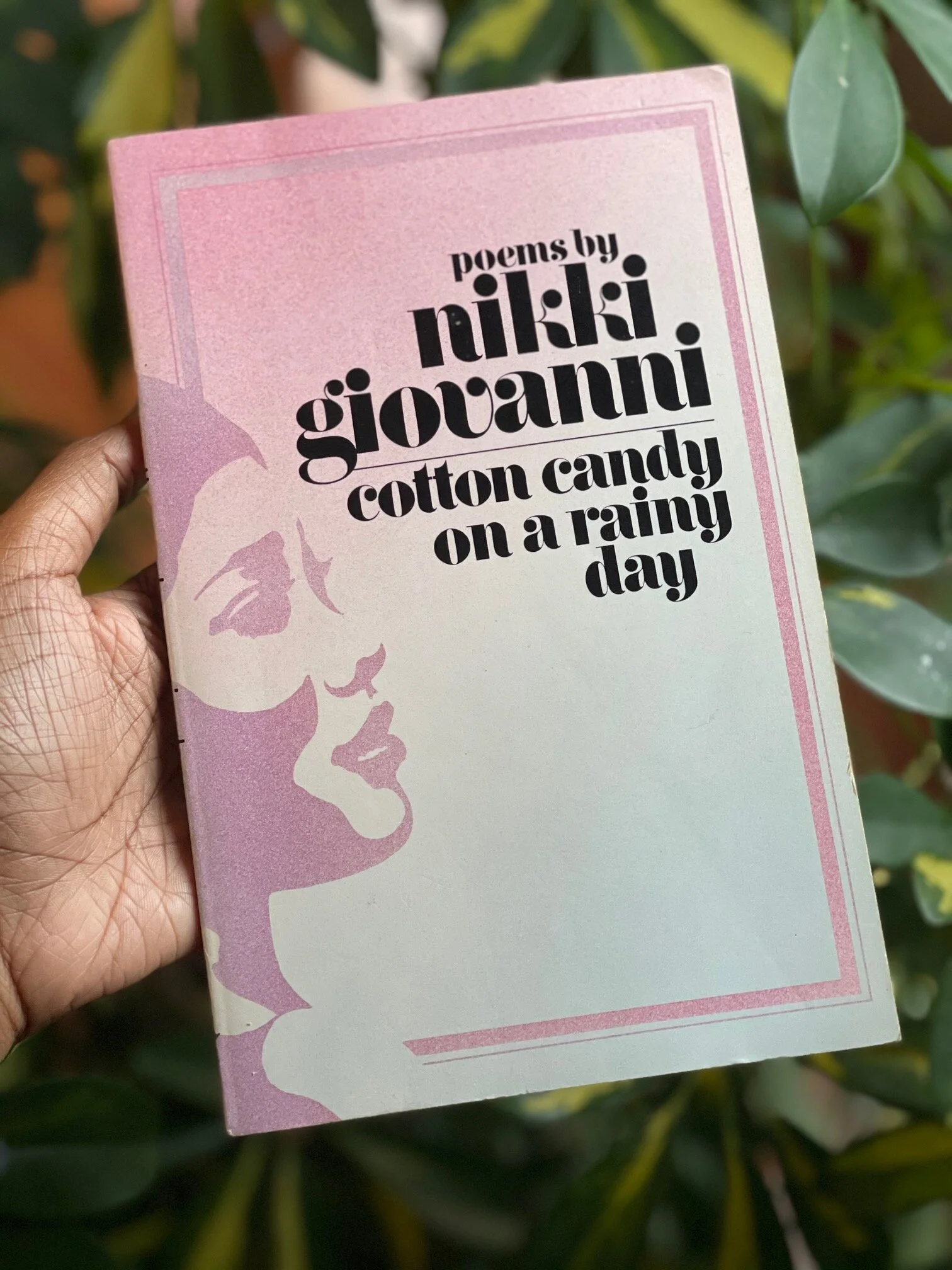
 Image 1 of 1
Cotton Candy on a Rainy Day is one of the most poignant and intorspective of all Giovanni's collections. Moving from the emotionally fraught political arena to the intimate realm of the personal, the poems in this volume express a conflicted consciousness and the disillusionment shared by so many during the early 1970s, when the dreams of the Civil Rights era seemed to have evaporated. First published in 1978, this classic will remind her readers why they were first drawn to Nikki Giovanni and enthrall new readers who are just now coming to these timeless poems.
Cotton Candy on a Rainy Day is one of the most poignant and intorspective of all Giovanni's collections. Moving from the emotionally fraught political arena to the intimate realm of the personal, the poems in this volume express a conflicted consciousness and the disillusionment shared by so many during the early 1970s, when the dreams of the Civil Rights era seemed to have evaporated. First published in 1978, this classic will remind her readers why they were first drawn to Nikki Giovanni and enthrall new readers who are just now coming to these timeless poems.
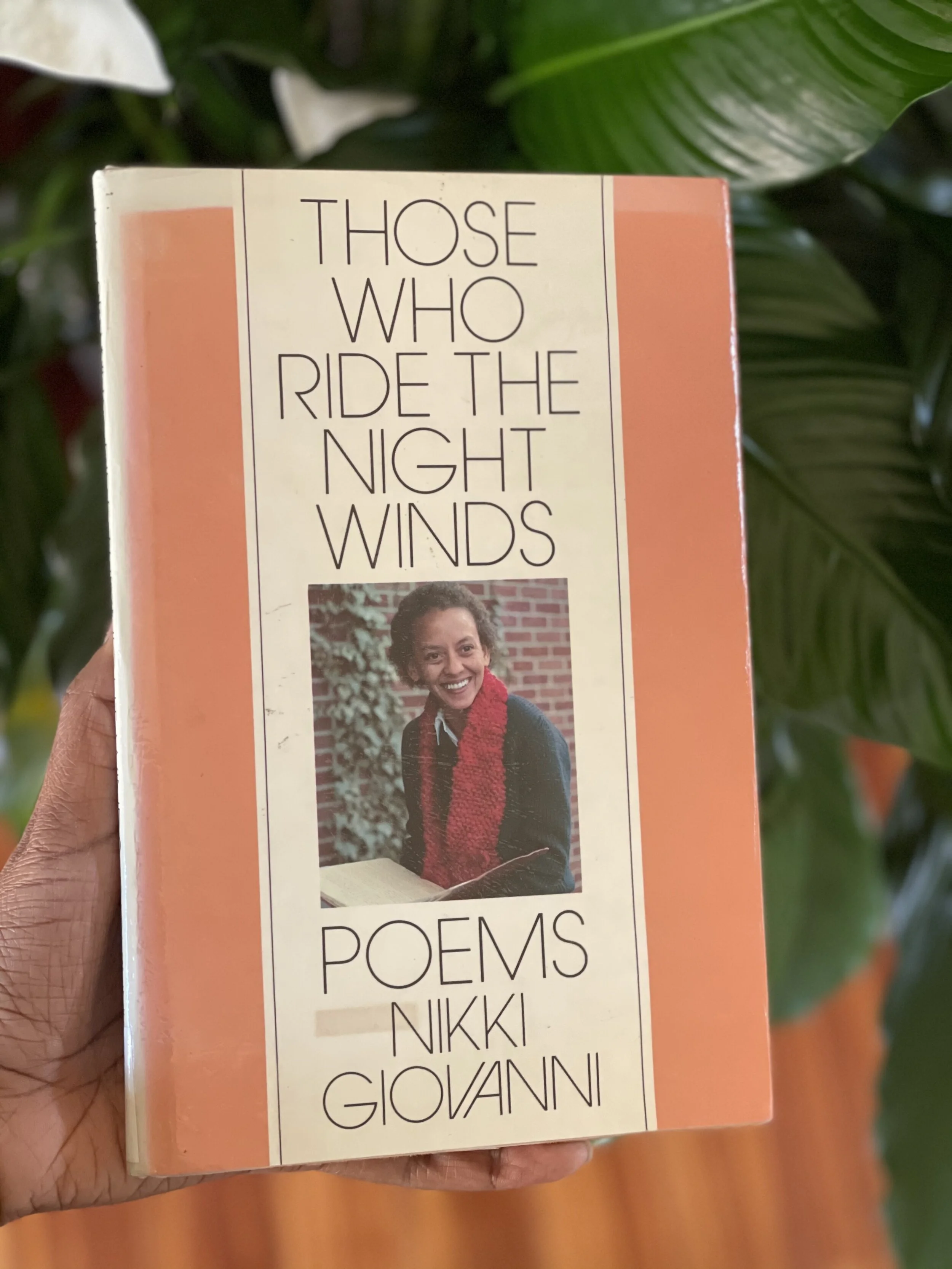
Nikki Giovanni dedicates Those Who Ride the Night Winds to "the day trippers and midnight cowboys," the ones who have devoted their lives to pushing the limits of the human condition and who have shattered the constraints of the status quo to live life as a "marvelous, transitory adventure."
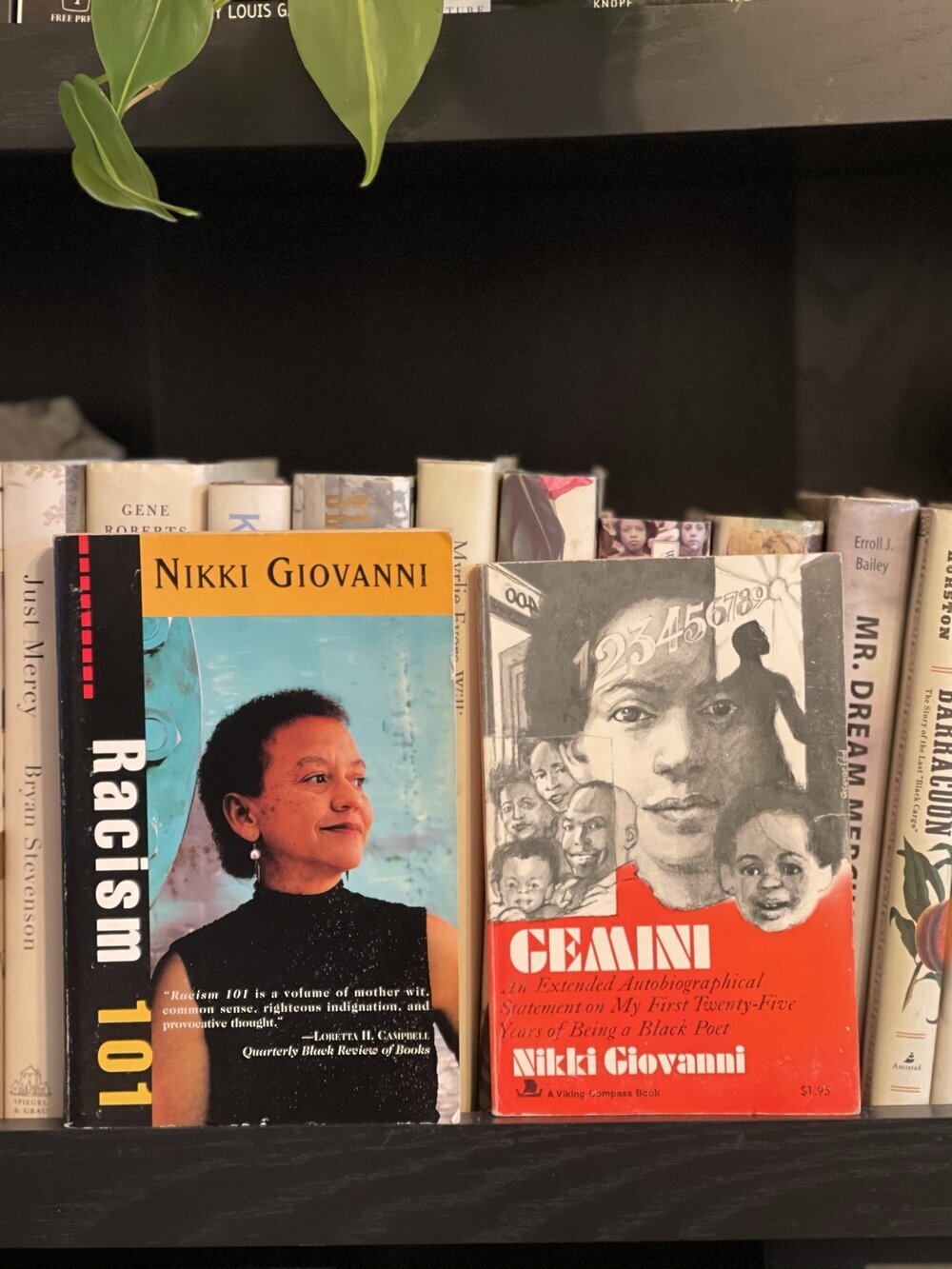
A series of essays on race, offering her poetic insights into everything from higher education to Spike Lee, Star Trek, and John F. Kennedy.
A young poet, attuned to the social problems of contemporary America, reveals her thoughts on the black experience
Cotton Candy on a Rainy Day is one of the most poignant and intorspective of all Giovanni's collections. Moving from the emotionally fraught political arena to the intimate realm of the personal, the poems in this volume express a conflicted consciousness and the disillusionment shared by so many during the early 1970s, when the dreams of the Civil Rights era seemed to have evaporated. First published in 1978, this classic will remind her readers why they were first drawn to Nikki Giovanni and enthrall new readers who are just now coming to these timeless poems.
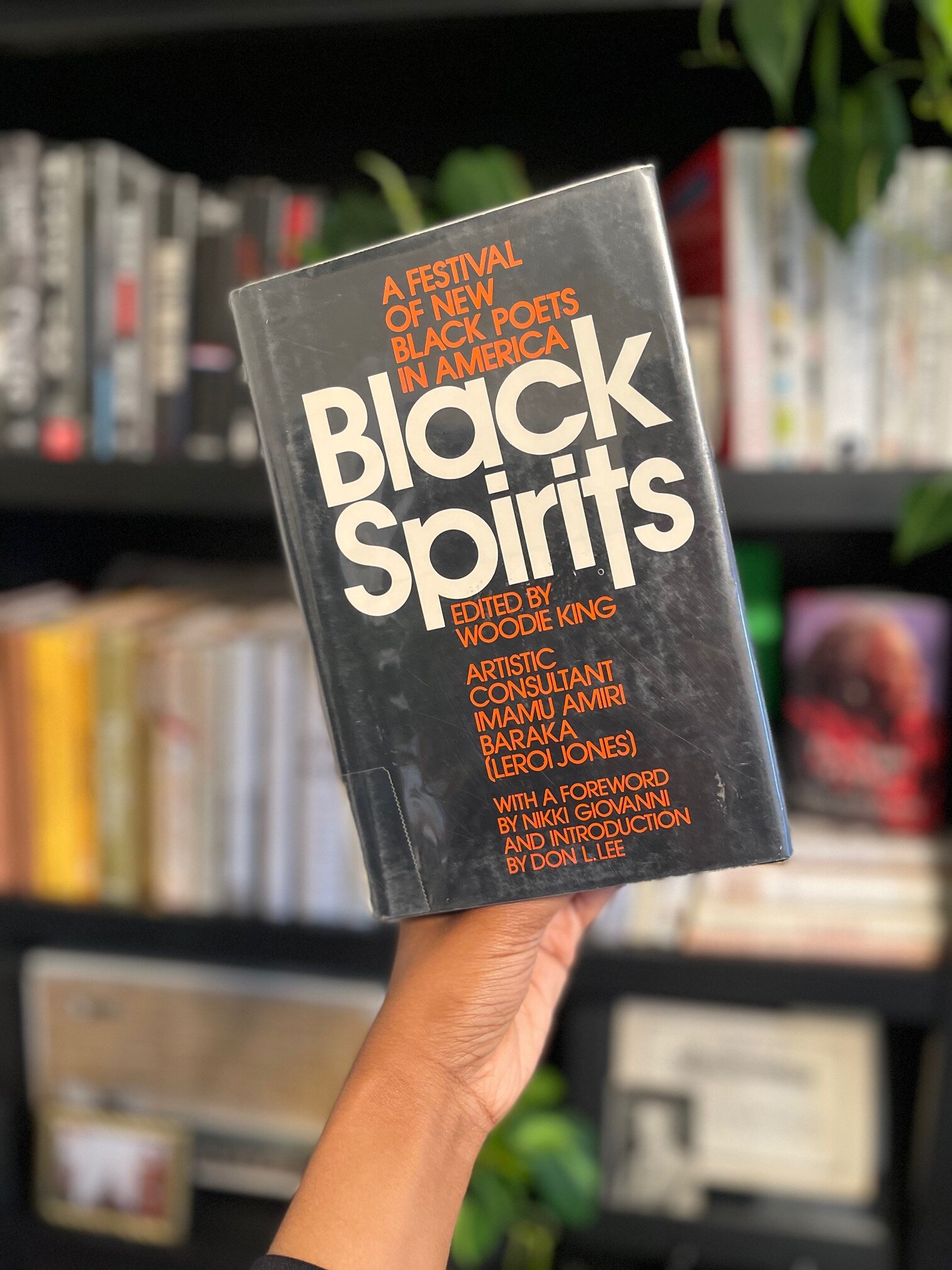
Vintage anthology of the works of thirty leading contemporary Black poets.
Poems from Johari Amini, S. E. Anderson, Imamu Amiri Baraka (LeRoi Jones), Ed Bullins, Stanley Crouch, Ronda Davis, Jackie Earley, Mari Evans, Nikki Giovanni, David Henderson, Mae Jackson, Norman Jordan, Gylan Kain, Kali, Keorapetse Kgositsile, Don L. Lee, Felipe Luciano, Clarence Major, Amus Mor, Larry Neal, David Nelson, Arthur Pfister, Clarence Reed, Carolyn Rodgers, Sonia Sanchez, Welton Smith, Richard W. Thomas, James W. Thompson, Askia Mohammed Toure, and Quincy Troupe. Includes short bios of poets at rear. Artistic Consultant Imamu Amiri Baraka.
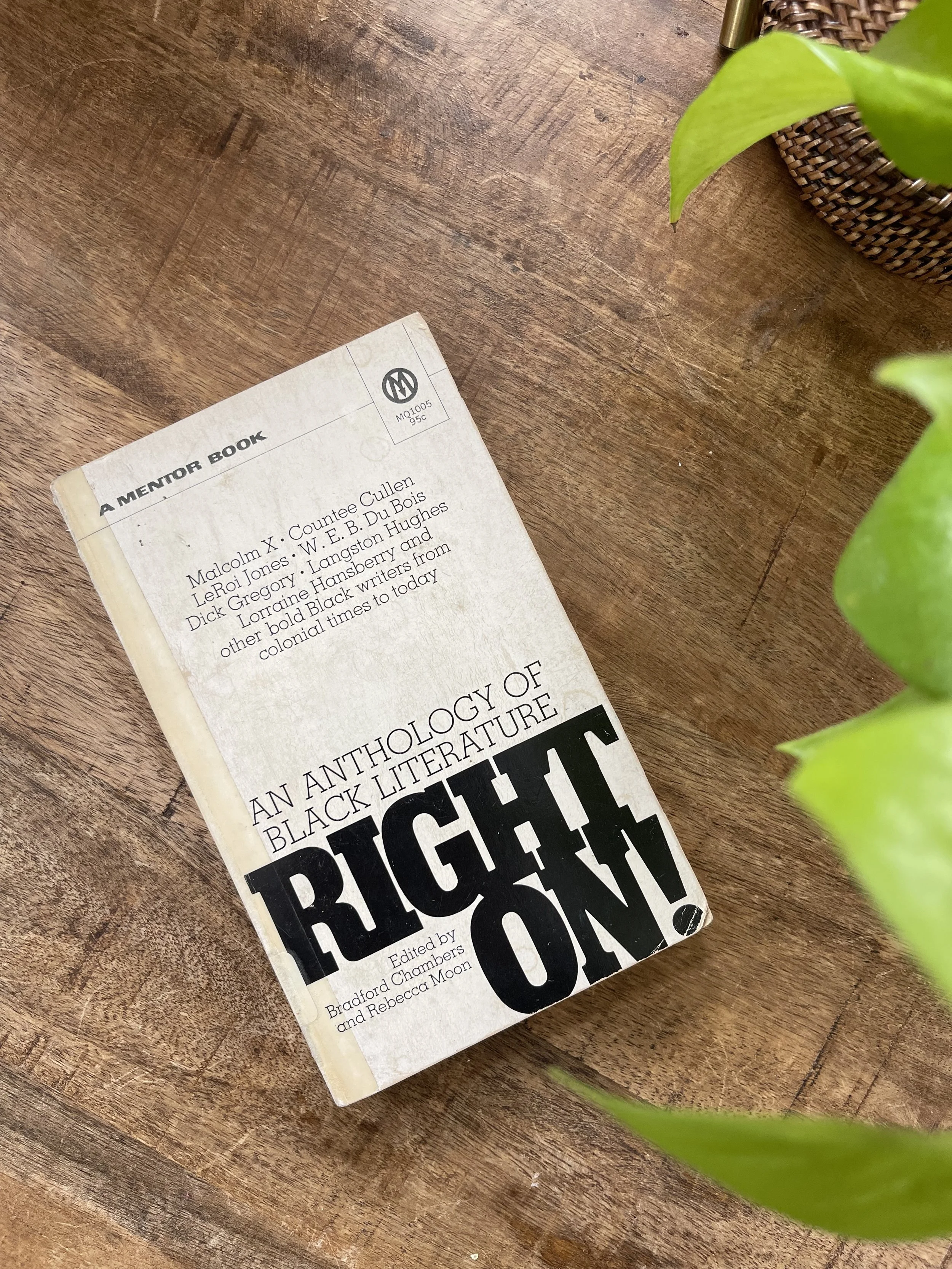
Vintage anthology including poetry, fiction, drama, and autobiography.
Contributors include:
Nikki Giovanni
Langston Hughes
Malcolm X
Dick Gregory
Lorraine Hansberry
Gwendolyn Brooks
and more!
The Black Woman introduced readers to an astonishing new wave of voices that demanded to be heard. In this groundbreaking volume of original essays, poems, and stories, a chorus of outspoken women -- many who would become leaders in their fields: bestselling novelist Alice Walker, poets Audre Lorde and Nikki Giovanni, writer Paule Marshall, activist Grace Lee Boggs, and musician Abbey Lincoln among them -- tackled issues surrounding race and sex, body image, the economy, politics, labor, and much more. Their words still resonate with truth, relevance, and insight today.
First published in 1974. A Poetic Equation: Conversations Between Nikki Giovanni and Margaret Walker is a lively, impassioned, and intense meeting of two literary giants. It is also a caning and yet uninhibited dialogue between two women a generation apart, a mother-daughter confrontation in a spirit of love and respect.
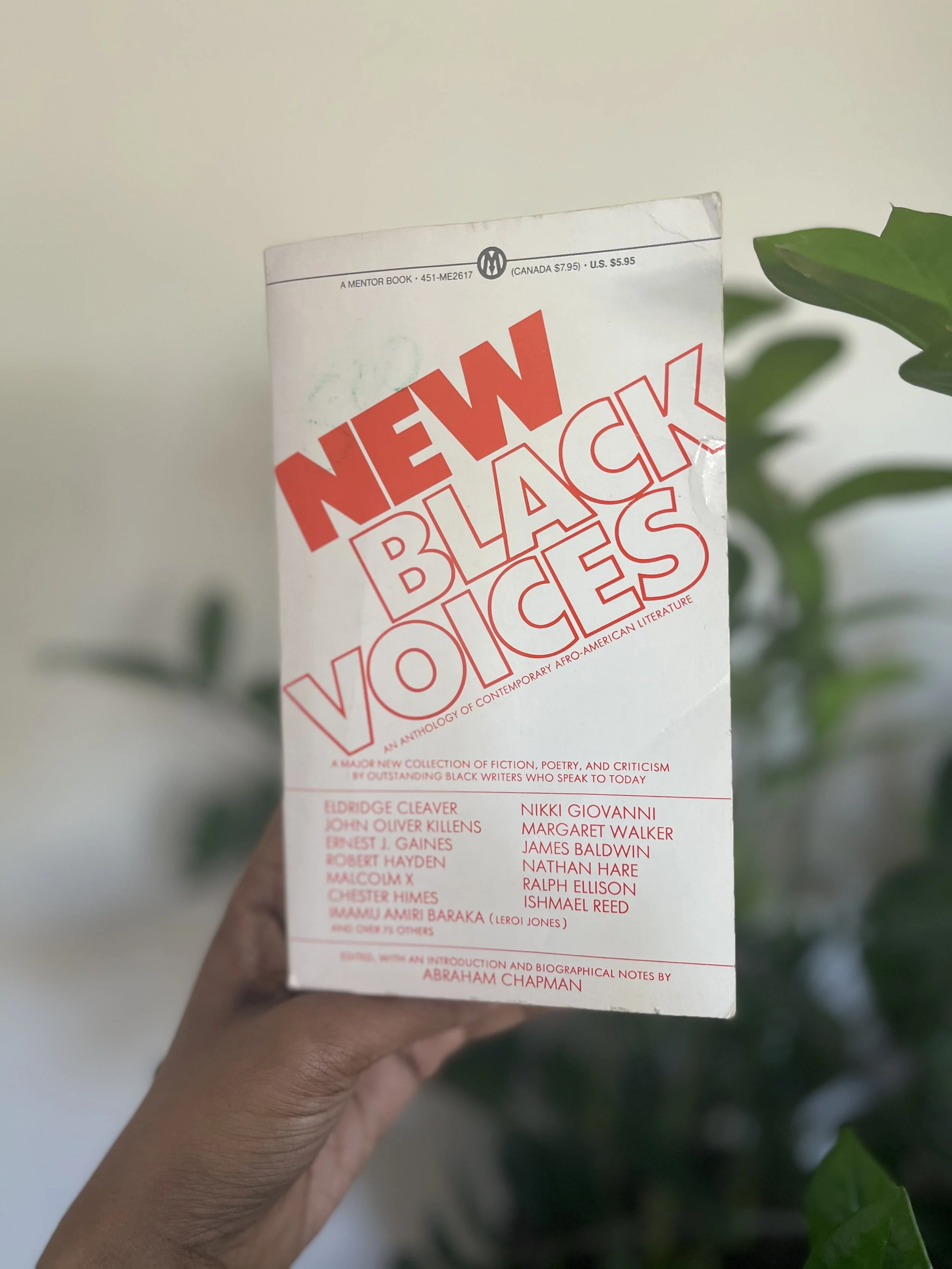
A vintage collection of fiction, poetry, and criticism by outstanding Black writers.

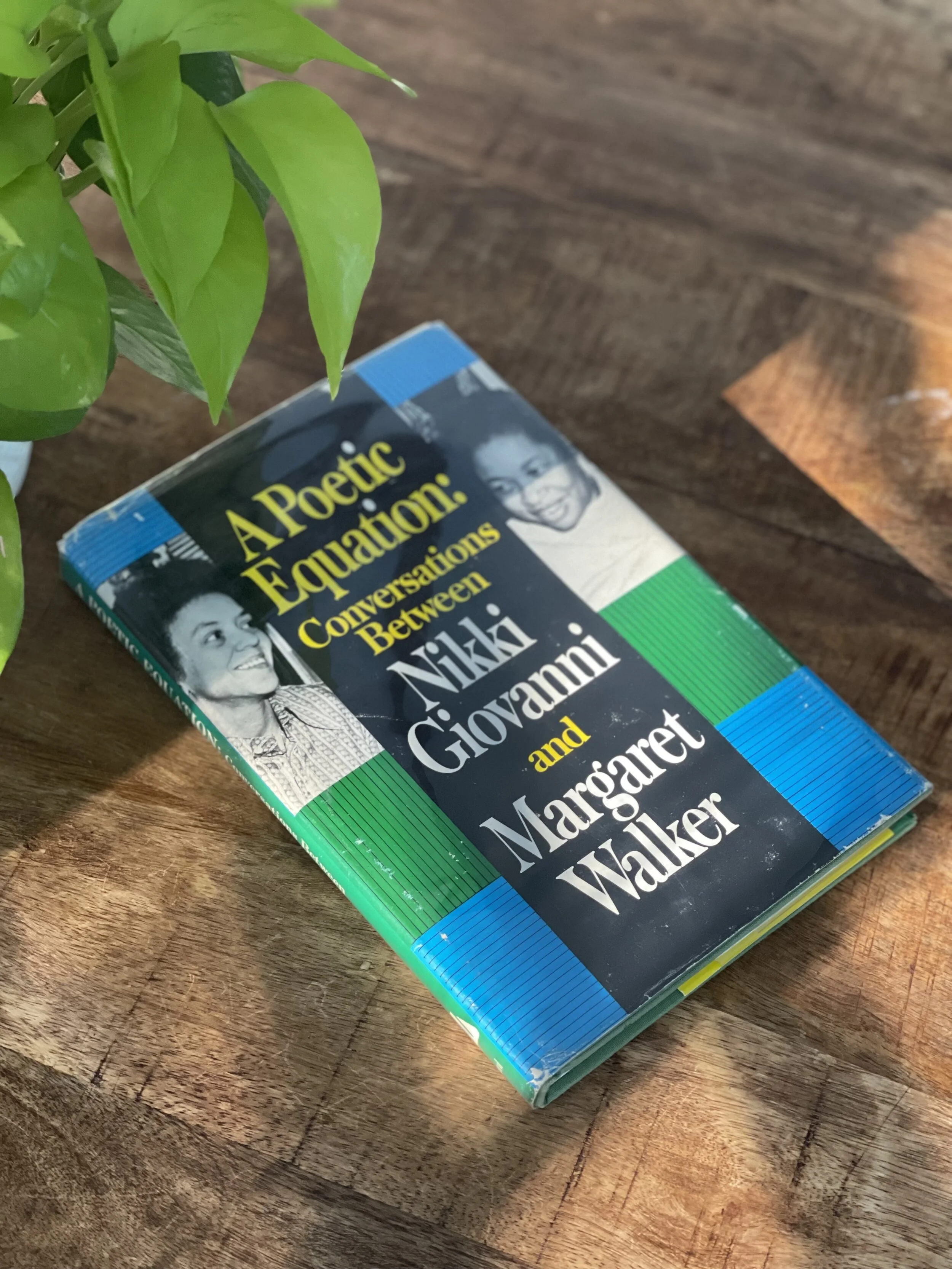



In these conversations the reader can follow the evolution of Giovanni's distinctive voice and the sensibility of the poet's mind. She chooses her words carefully, while giving an impression of spontaneity and even of glibness.