 Image 1 of 1
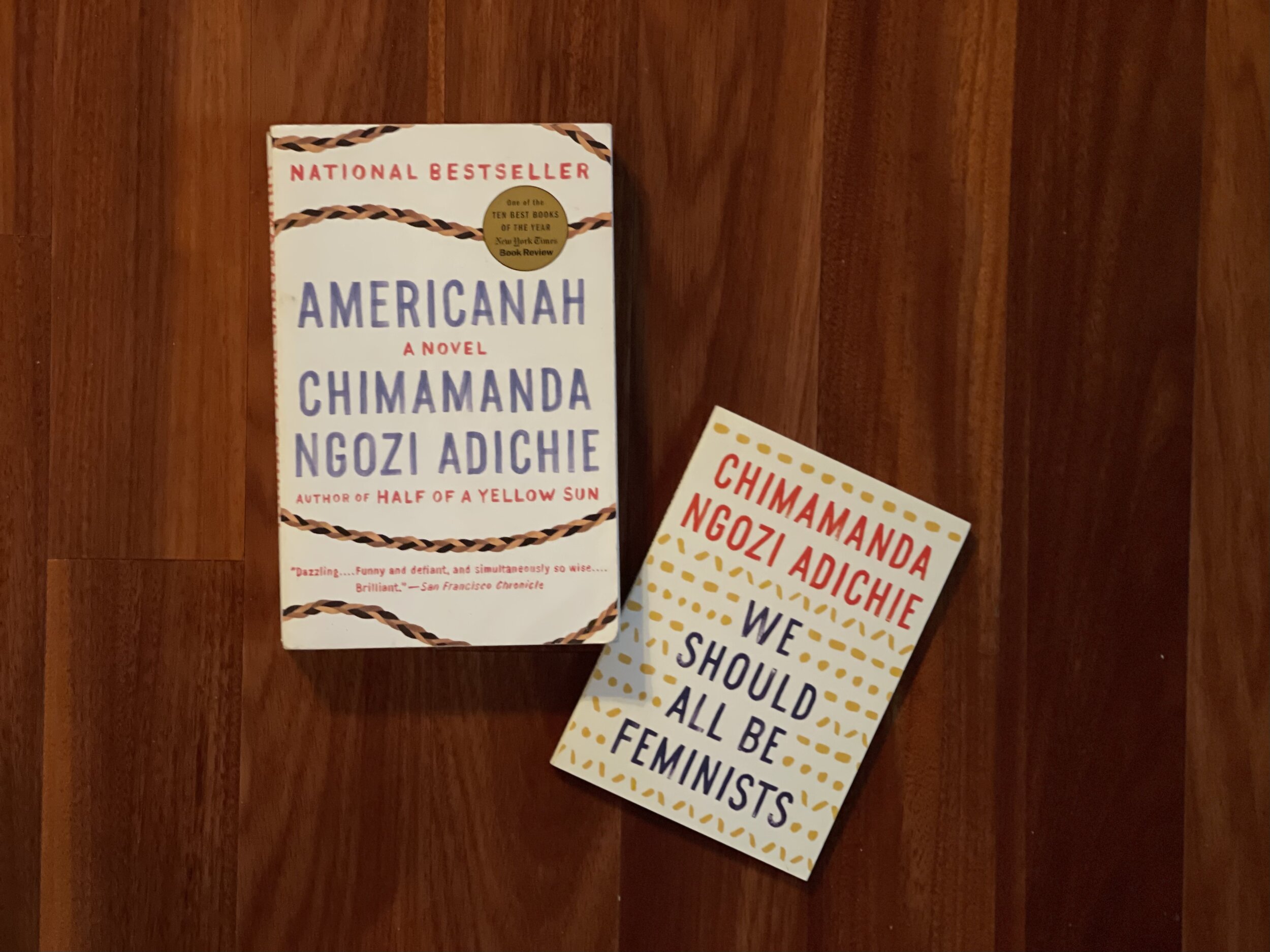
Chimamanda Ngozi Adichie collection
Americanah
The story of two Nigerians making their way in the U.S. and the UK, raising universal questions of race, belonging, the overseas experience for the African diaspora, and the search for identity and a home.
We Should All Be Feminists
In this personal, eloquently-argued essay—adapted from the much-admired TEDx talk of the same name—Chimamanda Ngozi Adichie offers readers a unique definition of feminism for the twenty-first century, one rooted in inclusion and awareness.
Americanah
The story of two Nigerians making their way in the U.S. and the UK, raising universal questions of race, belonging, the overseas experience for the African diaspora, and the search for identity and a home.
We Should All Be Feminists
In this personal, eloquently-argued essay—adapted from the much-admired TEDx talk of the same name—Chimamanda Ngozi Adichie offers readers a unique definition of feminism for the twenty-first century, one rooted in inclusion and awareness.

From its inception in California in 1974 to its highly acclaimed critical success at Joseph Papp's Public Theater and on Broadway, the Obie Award-winning for colored girls who have considered suicide/when the rainbow is enuf has excited, inspired, and transformed audiences all over the country. Passionate and fearless, Shange's words reveal what it is to be of color and female in the twentieth century. First published in 1975 when it was praised by The New Yorker for "encompassing...every feeling and experience a woman has ever had," for colored girls who have considered suicide/when the rainbow is enuf will be read and performed for generations to come. Here is the complete text, with stage directions, of a groundbreaking dramatic prose poem written in vivid and powerful language that resonates with unusual beauty in its fierce message to the world.

Brown’s story begins with growing up in an impoverished neighborhood in Philadelphia and attending a predominantly white school, where she first sensed what it meant to be black, female, and poor in America. She describes her political awakening during the bohemian years of her adolescence, and her time as a foot soldier for the Panthers, who seemed to hold the promise of redemption. And she tells of her ascent into the upper echelons of Panther leadership: her tumultuous relationship with the charismatic Huey Newton, who would become her lover and her nemesis; her experience with the male power rituals that would sow the seeds of the party's demise; and the scars that she both suffered and inflicted in that era’s paradigm-shifting clashes of sex and power. Stunning, lyrical, and acute, this is the indelible testimony of a black woman’s battle to define herself.
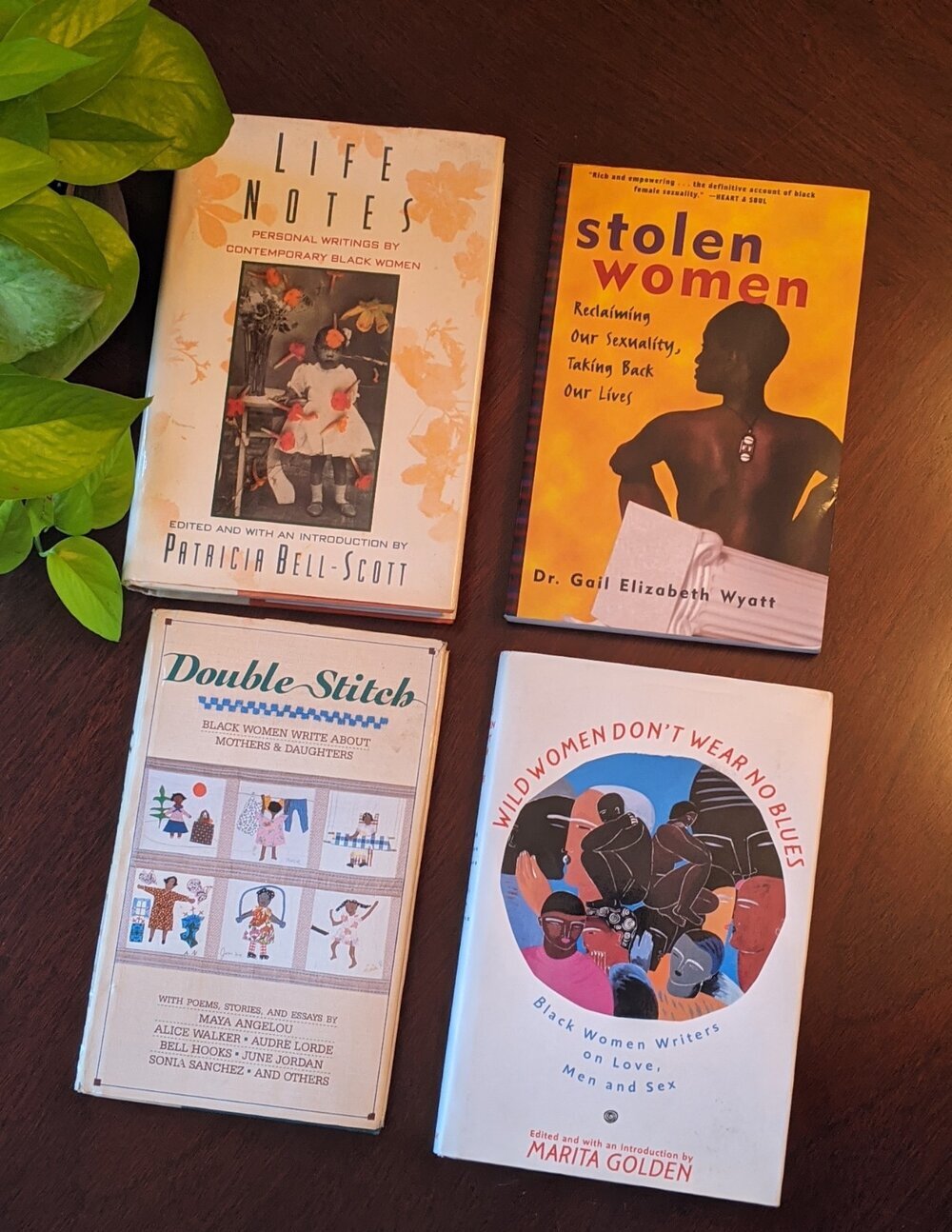
Life Notes: Personal Writings by Contemporary Black Women
Life Notes is the first collection devoted exclusively to writings from the journals, diaries, and personal notebooks of contemporary Black women. These intensely personal testimonies illuminate the complexities of Black women's lives, offering unique reflections about self, family, intimacy, work, politics, life transitions, violation, and recovery.
Stolen Women: Reclaiming Our Sexuality, Taking Back Our Lives
Dr. Wyatt presents a well-researched and balanced perspective of the sexual experiences of African American women. It explodes the myths, examines our past, and sets the path for our healing and our future survival. This is a book that should be read by anyone who knows or cares about Black women.
Double Stitch: Black Women Write About Mothers & Daughters
Poetry, fiction, personal narrative, and essays explore the relationships between Black mothers and daughters.
Wild Women Don't Wear No Blues: Black Women Writers on Love, Men and Sex
Bringing together fourteen Black American women, Marita Golden has compiled saucy and spicy essays that serve as an exploration into the contemporary Black female psyche.
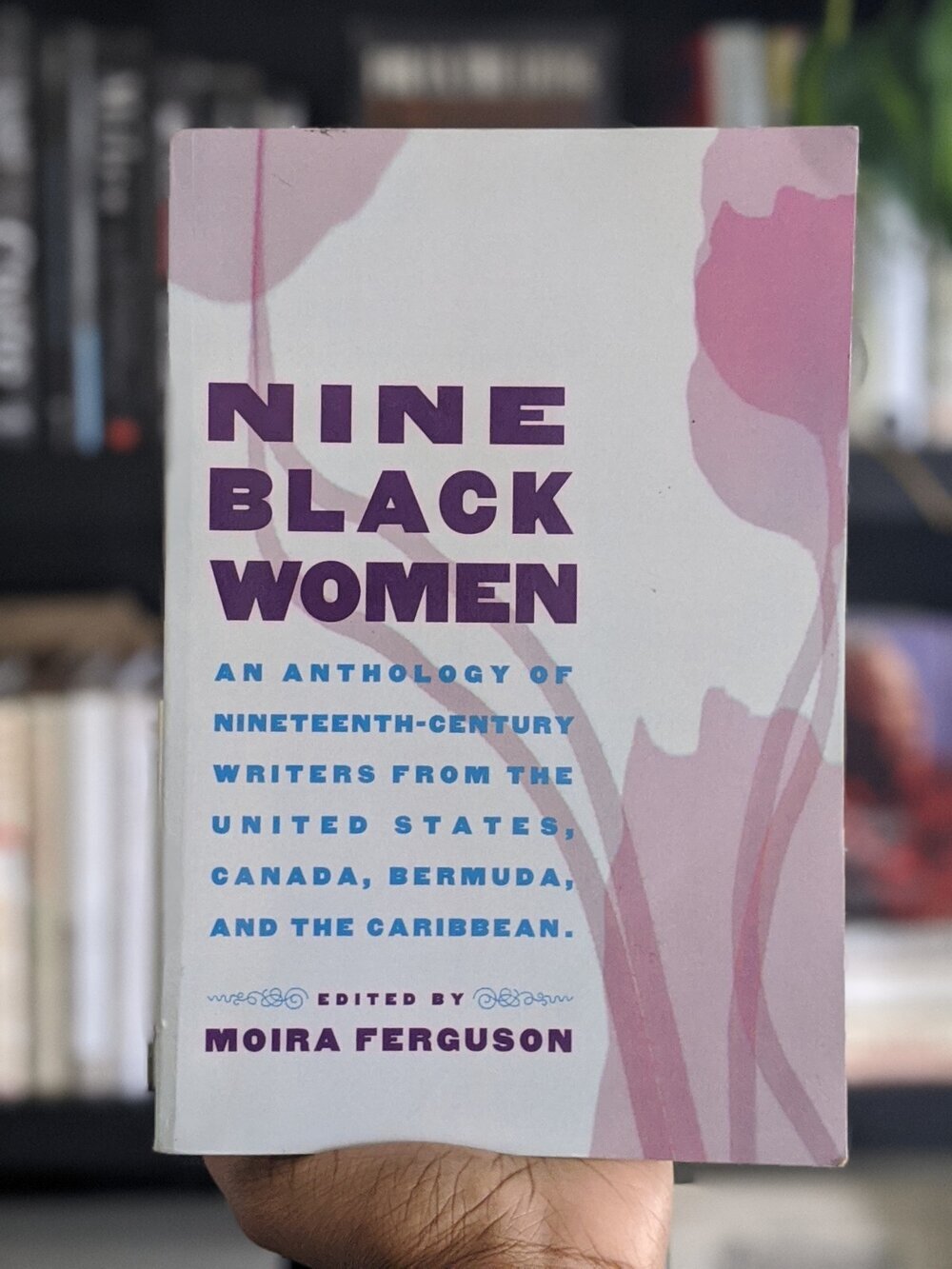
Nine Black Women features the writing of Elizabeth Hart Thwaites, Anne Hart Gilbert, Mary Price, Mary Seacole, Harriet Ann Jacobs, Harriet E. Adams Wilson, Jarena Lee, Nancy Gardner Prince and Mary Ann Shadd Cary, black women who had writing published in the 1800s. Many of them wrote about slavery and promoted abolition, some wrote religious texts that expressed their views, others wrote autobiographies telling of their battle to overcome prejudice and disadvantage.

Six Women's Slave Narratives
The History of Mary Prince, a West Indian Slave (1831) was the first female slave narrative from the Americas. The Story of Mattie J.Jackson (1866) recounts a quest for personal freedom and ends with a family reunion in the North after the Civil War. The Memoir of Old Elizabeth, a Colored Woman (1863) is the tale of a 97-year-old ex-slave who became a preacher. Lucy A.Delaney's From the Darkness Cometh the Light or Struggles for Freedom (c. 1891) records a former slave's achievements in the quarter-century after the end of the Civil War.
Collected Black Women's Narratives
Nancy Prince, born free in Massachusetts in 1799, tells of her exotic travels to Europe, Russia, and Jamaica. Susie King Taylor, who gained freedom by escaping behind Union lines with her family in 1862, records her experiences as a teacher, laundress, and nurse with the Union army, and her later experiences during the Reconstruction. Bethany Veney recounts her years in slavery and in freedom, tracing her spiritual growth throughout her life. And Louisa Picquet, who gained freedom in the late 1840s from the man who held her as slave and concubine, focuses on her life as a sexual victim and on her efforts to buy her mother out of slavery.

From one of the fiercest critics writing today, Morgan Jerkins’ highly-anticipated collection of linked essays interweaves her incisive commentary on pop culture, feminism, black history, misogyny, and racism with her own experiences to confront the very real challenges of being a Black woman today—perfect for fans of Roxane Gay’s Bad Feminist, Rebecca Solnit’s Men Explain Things to Me, and Chimamanda Ngozie Adichie’s We Should All Be Feminists.
Americanah
The story of two Nigerians making their way in the U.S. and the UK, raising universal questions of race, belonging, the overseas experience for the African diaspora, and the search for identity and a home.
We Should All Be Feminists
In this personal, eloquently-argued essay—adapted from the much-admired TEDx talk of the same name—Chimamanda Ngozi Adichie offers readers a unique definition of feminism for the twenty-first century, one rooted in inclusion and awareness.

In Rock My Soul, world-renowned scholar and visionary bell hooks takes an in-depth look at one of the most critical issues facing Black Americans: a collective wounded self-esteem that has prevailed from slavery to the present day.
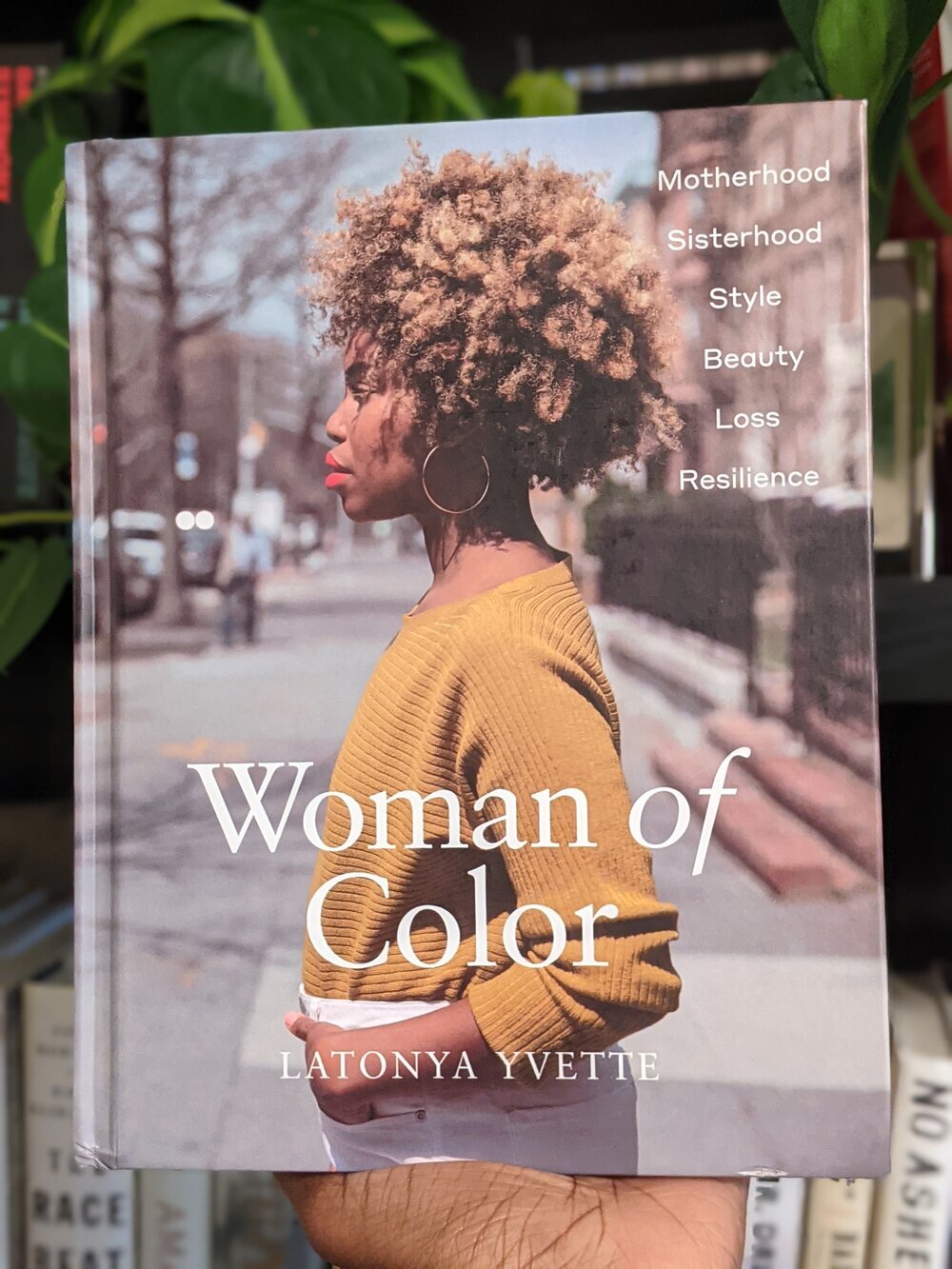
LaTonya Yvette, the blogger and stylist behind the eponymous site, is unapologetically candid about life’s trials, including motherhood, love, death, and racism. Her first book, Woman of Color, is part memoir, part lifestyle guide—packed with moving essays, gorgeous original and archival photographs, and practical style and beauty advice. At the very heart, though, it’s about LaTonya’s experience growing up as a woman of color in Brooklyn.
Small bruise on front cover.
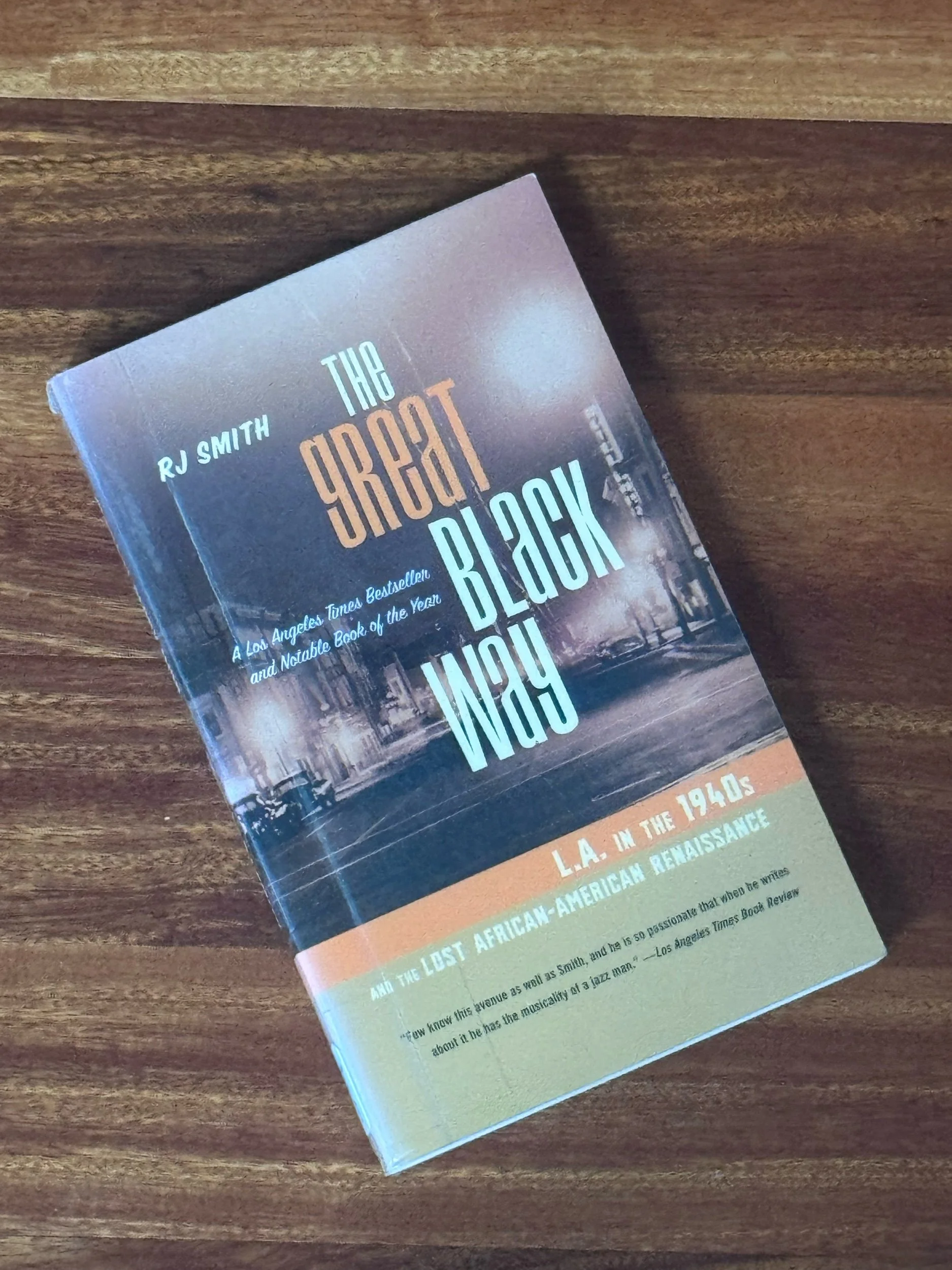
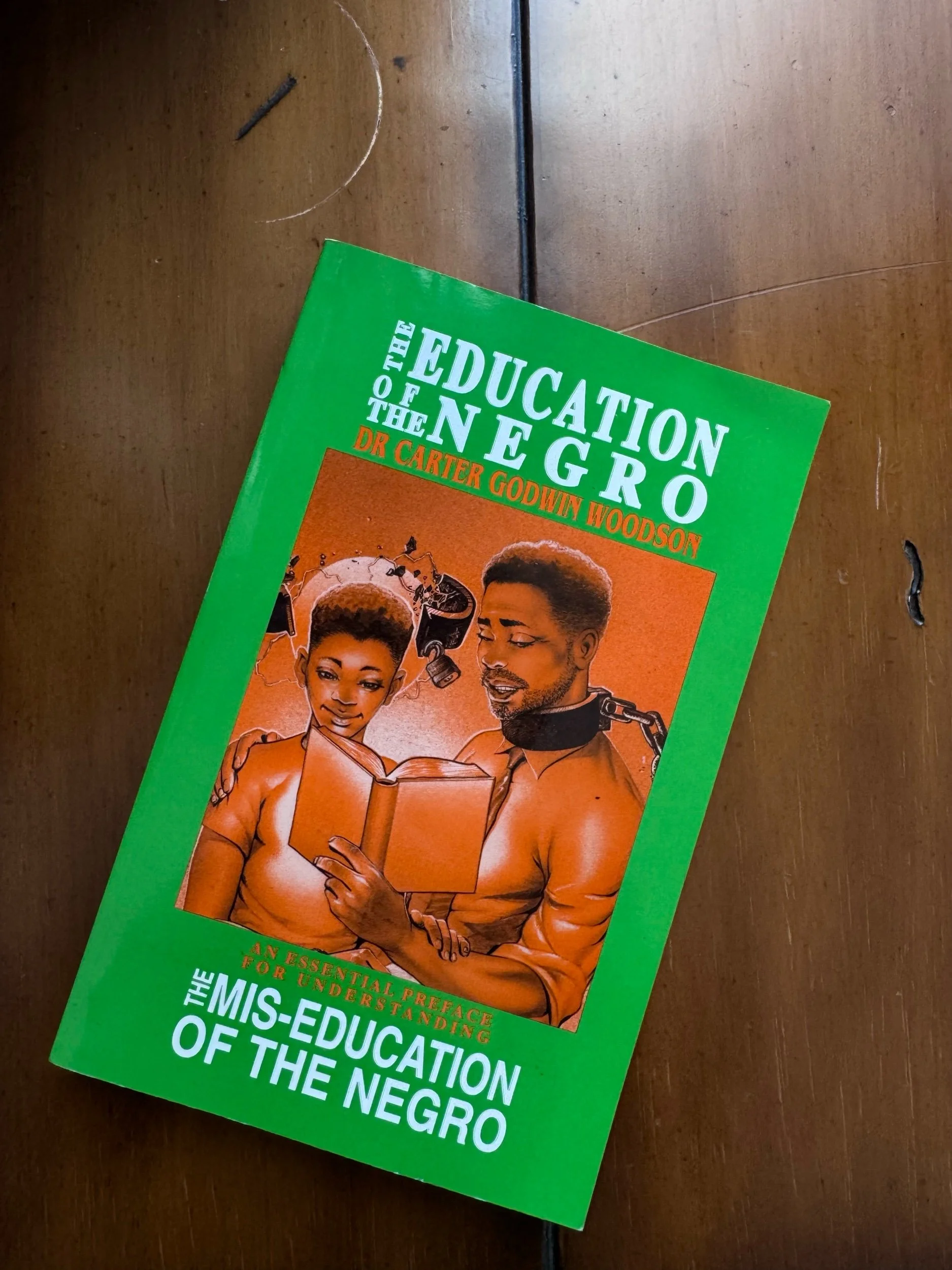

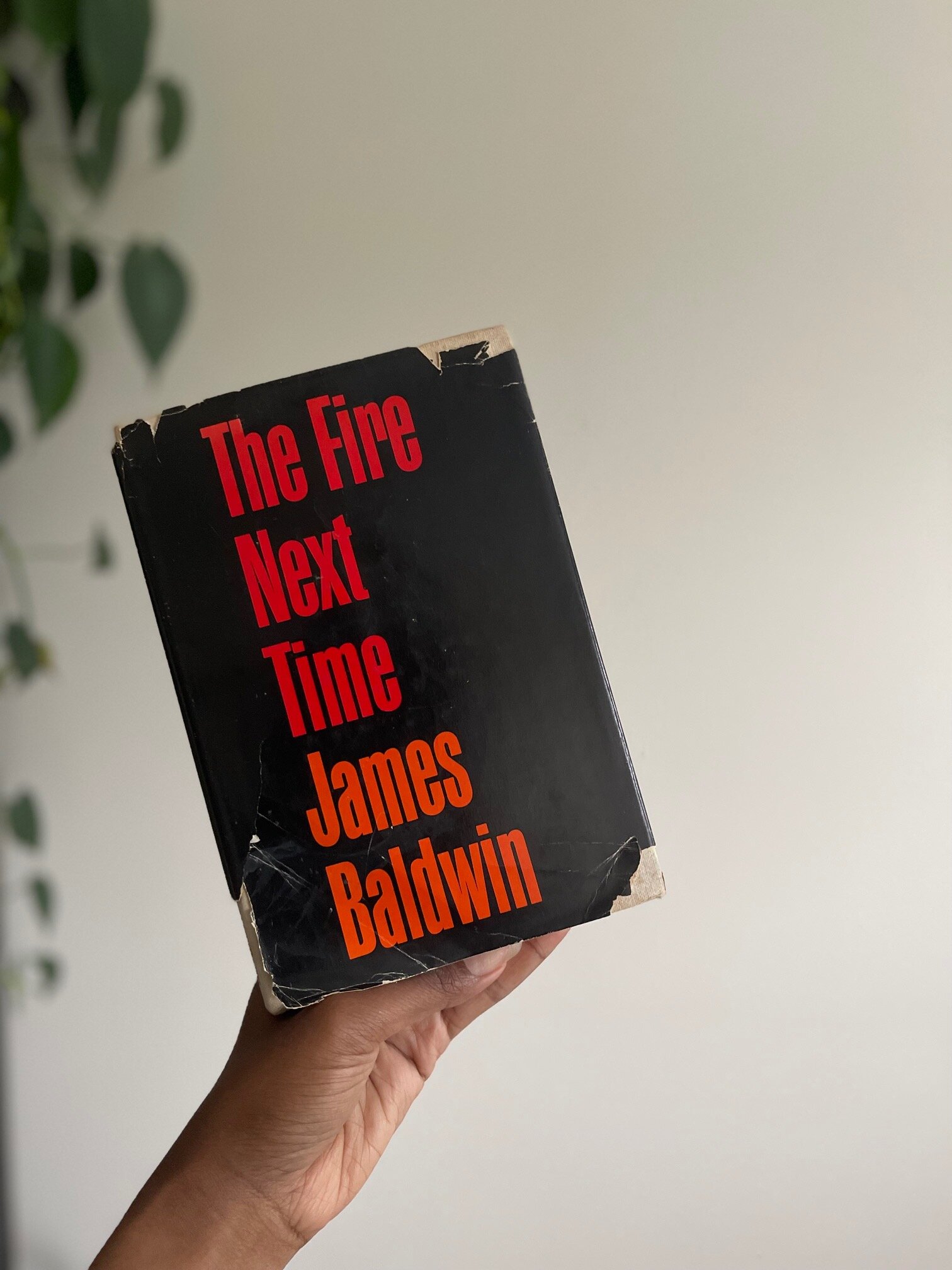


A powerful study of the women's liberation movement in the U.S., from abolitionist days to the present, that demonstrates how it has always been hampered by the racist and classist biases of its leaders. From the widely revered and legendary political activist and scholar Angela Davis.